Investing from out of state can feel risky, especially when you are weighing unfamiliar rents, rules, and weather. Port Charlotte in Charlotte County offers a lower entry price point and strong seasonal demand, but the details matter. In this guide, you will see current rent ranges, who your likely tenants are, what property types tend to perform, and how to underwrite cash flow like a local. You will also get a simple checklist to speed up due diligence. Let’s dive in.
Port Charlotte at a glance
Port Charlotte typically trades below nearby Sarasota and Naples, which can help you hit cash‑flow targets at a lower purchase price. Recent snapshots place the area’s median sale prices around the mid‑$240Ks to mid‑$260Ks, depending on the data vendor. Vendor methods differ, so confirm the negotiated price with MLS comps for your street.
On the rent side, major indices point to average asking rents in the mid‑$1,400s to mid‑$1,800s. For example, the Yardi/RentCafe trend for the Port Charlotte area shows averages around the low $1,800s in recent updates. Remember that these are listing rents, not signed leases, so always verify with local comps and a property manager. You can review bedroom‑level trends in the RentCafe Port Charlotte market tracker.
Vacancy can be volatile in smaller coastal markets. Published estimates for Port Charlotte have landed around the mid‑single to low‑double digits depending on source and timing, with some recent summaries near 10 percent. Treat vacancy conservatively in your model, especially if your plan includes seasonal availability. See a recent vacancy snapshot in Point2Homes’ Port Charlotte summary.
Current rents and price ranges
Here is a practical way to view asking rents today, based on ranges reported across several rental indices:
- 1‑bedroom: roughly $1,250 to $1,550 per month
- 2‑bedroom: roughly $1,550 to $1,800 per month
- 3‑bedroom: roughly $1,900 to $2,250 per month
Waterfront, canal access, pools, and updated finishes can push a home toward the top of each range. Condition and location within the CDP matter. List rents differ from signed leases, so use these as guideposts while you confirm comps in the immediate neighborhood.
Purchase prices in Port Charlotte vary by pocket and property type, but many single‑family opportunities still list and sell in the $240K to $265K range, with premiums for canal and Gulf‑access homes. Entry pricing is typically lower than you will find in parts of North Port, Punta Gorda, Sarasota, and Naples.
Who rents here and when
Port Charlotte and broader Charlotte County skew older than the U.S. average, with a large share of residents age 65 and over. You will also find a strong base of owner‑occupants. These patterns point to steady demand from retirees and seasonal residents, plus year‑round demand from local workers. See the age profile in Census QuickFacts for Port Charlotte.
Seasonality drives real behavior. Snowbird season broadly runs October through April, with peak months December to March. If you target monthly seasonal renters, you can often achieve higher rates and tighter occupancy in winter, then expect softer demand and lower achievable rates in summer and early fall. Browse seasonal patterns in regional listings on FloridaRentals’ Port Charlotte monthly page.
Common tenant profiles you will encounter include:
- Seasonal residents seeking furnished monthly rentals in winter
- Local workers across healthcare, retail, logistics, and public services who prefer 12‑month leases
- Boating and fishing tenants who value docks, lifts, and Gulf access
Property types that perform
Canal and waterfront single‑family
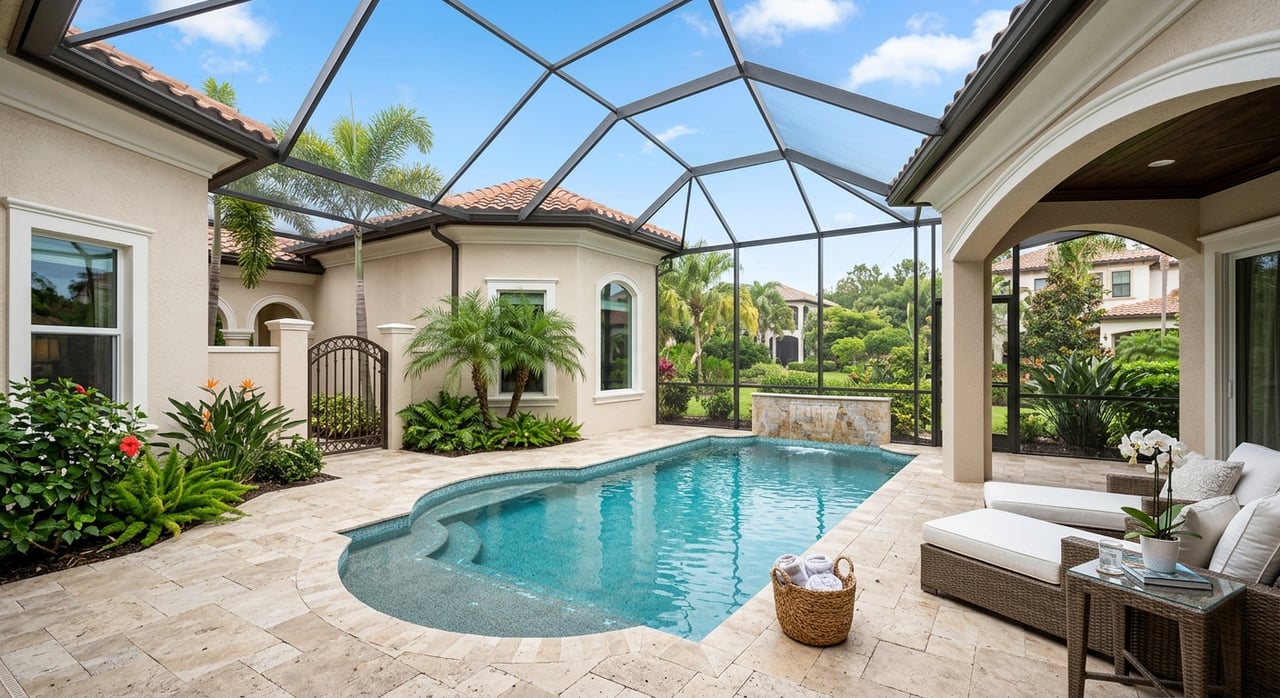
Canal and Gulf‑access homes can command premium rents, especially with a seawall, dock, boat lift, and a pool. These features attract boaters, anglers, and seasonal residents who are willing to pay for access and convenience. Premiums vary by water depth, distance to open water, and overall condition.
Condos and townhomes
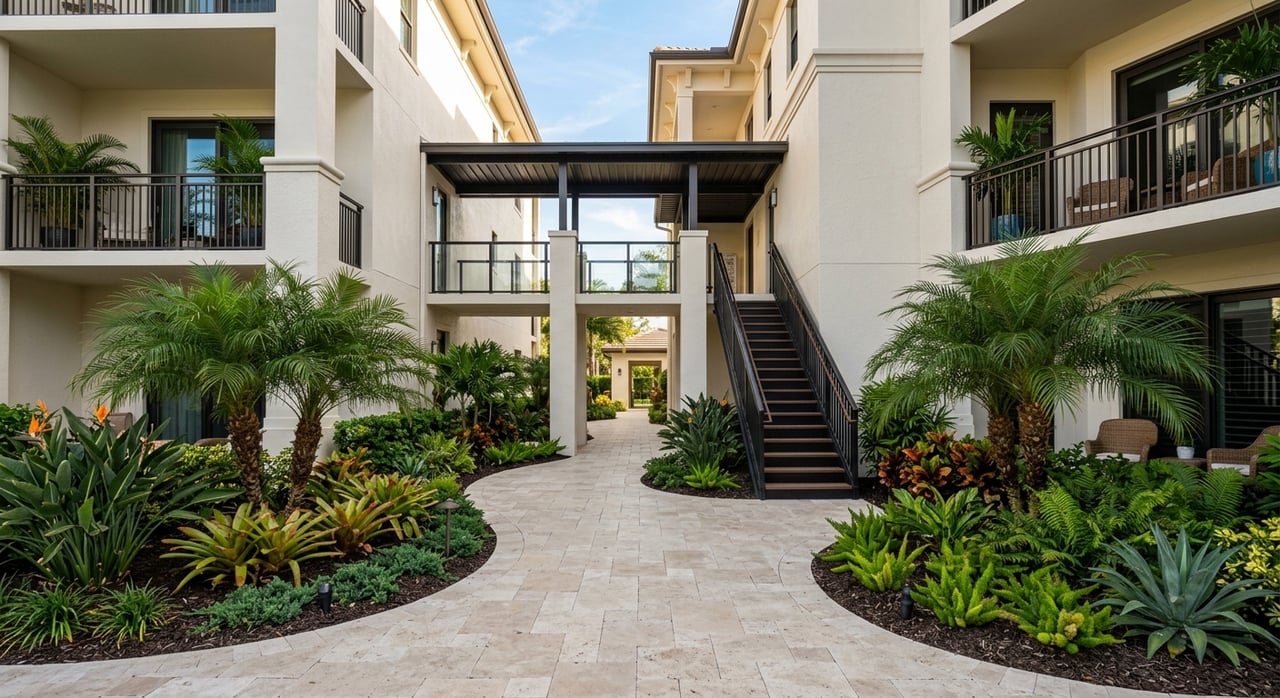
These often come with lower entry prices and simpler upkeep. The tradeoff is HOA rules. Many associations set minimum lease terms, impose rental caps, or require waiting periods before you can rent. If you need short‑term flexibility, a condo’s rules can limit returns. Always obtain and read the full association documents before you write an offer.
55+ and manufactured‑home communities
Age‑restricted and manufactured‑home communities are common in Port Charlotte. Some allow investor rentals, others limit them or require owner occupancy. Manufactured parks may use lot leases that change the expense profile. Confirm park and community rules in writing and understand how they affect landlord control and turnover.
Short‑term and seasonal rentals
Port Charlotte has active seasonal and short‑term demand, but do not assume nightly or monthly rentals are permitted at any given address. Charlotte County requires compliance with local ordinances and tourist tax rules for transient rentals. Waterfront also introduces flood‑zone considerations that affect suitability and insurance. Check parcel‑level flood zones at FEMA’s Flood Map Service Center and verify local rental rules before you buy.
Read every rule and fee
Before you commit, review:
- HOA and condo declarations, bylaws, and rental policies, including minimum lease terms and any rental caps
- Any Community Development District (CDD) assessments and special fees
- Local permitting and tax rules for short‑term or monthly seasonal rentals
- Flood‑zone status and required insurance
These items can swing your returns more than you expect, and they are not negotiable after closing.
Underwrite like a local
Use a simple, address‑specific checklist for each property:
- Confirm achievable rent from 12 to 24 months of signed comps and ask a local property manager about seasonal occupancy by street or ZIP.
- Verify purchase price with local MLS comps and model realistic closing costs.
- Pull the prior year’s property tax bill from the Charlotte County Tax Collector and model the effective tax rate for that parcel.
- Get several insurance quotes early. Florida premiums have risen, and coastal risk can add wind and flood. See state trends in Insurify’s insurance projections.
- Price professional management. Full‑service long‑term management commonly runs about 8 to 12 percent of monthly rent in this region, with separate leasing fees. See sample local pricing from a regional firm that services Charlotte County here.
- Budget repairs and reserves. Older Florida homes and waterfront systems can require higher annual maintenance. A 5 to 10 percent reserve on gross rent is a common starting point.
- Model vacancy. If you plan on seasonal rentals, use lower vacancy in winter and higher in summer. A 6 to 10 percent annual placeholder is a practical conservative range.
Sample cash‑flow scenarios
Assume a $250,000 purchase and achievable gross rent of $1,800 per month, or $21,600 per year.
Scenario A, conservative expenses:
- Vacancy 8 percent: effective gross $19,872
- Management 10 percent: $1,987
- Property taxes 1.35 percent of price: $3,375
- Insurance: $3,500
- Maintenance/CapEx reserve 8 percent of gross rent: $1,728
- Approximate NOI: $9,282, which is about a 3.7 percent cap rate
Scenario B, leaner expenses:
- Vacancy 8 percent: effective gross $19,872
- Management 8 percent: $1,590
- Property taxes 1.0 percent: $2,500
- Insurance: $2,000
- Maintenance 5 percent: $1,080
- Approximate NOI: $12,702, or about a 5.1 percent cap rate
If you finance 75 percent of the purchase at a typical 30‑year rate near the low 6s, principal and interest would be roughly $1,135 per month in recent averages. See current rate context in this mortgage market update. Always use live lender quotes for your model.
The takeaway: Port Charlotte can produce modest to solid yields depending on purchase price, flood and wind insurance costs, and whether you capture seasonal premiums. Your management plan and expense control often matter more than squeezing a few extra dollars of rent.
Key risks to plan for
- Hurricanes and flood risk. You will see elevated wind exposure and flood considerations near canals and waterfront. Confirm the FEMA flood zone, consider wind‑mitigation features like impact windows and roof straps, and price flood and wind coverage before you commit.
- Insurance volatility. Florida premiums run higher than the U.S. average and can change quickly. Get multiple quotes and revisit after inspections.
- Remote operations. If you live out of state, professional management can be the difference between predictable cash flow and stress. Clarify maintenance markups, leasing fees, and communication standards in a written agreement.
Port Charlotte vs nearby markets
Directionally, Port Charlotte is more affordable than core Sarasota or Naples, and often lower than parts of Punta Gorda and North Port. Rents can also run lower than in some neighboring cities, which means entry pricing is the usual lever for better yields. For context on a nearby market, compare the North Port rent trend summary. Your best move is to analyze street‑level comps for the specific neighborhood you are targeting.
One‑page due‑diligence checklist
- Pull the parcel, prior tax bill, and current assessed value from the Charlotte County Property Appraiser and Tax Collector.
- Check the FEMA flood map for the exact address and note any lender‑required flood insurance.
- Gather 12 to 24 months of signed rent comps from MLS and speak with a local property manager about seasonal occupancy.
- Obtain two to three insurance quotes, including flood if applicable, and review any condo or HOA master policies.
- Request HOA and condo documents, including rental rules, approval timelines, and any rental caps or minimum lease terms.
- Get written long‑term and short‑term management quotes. Ask about vacancy handling, maintenance markups, leasing fees, and inspection schedules.
- If you plan seasonal rentals, estimate cleaning and turnover costs and confirm county tourist tax registration.
Ready to map the right neighborhoods, refine your underwriting, and line up on‑the‑ground help? Work with a concierge‑level local advisor who understands investor needs, remote closings, and waterfront nuances. Connect with Danene Bazon PA to build your Port Charlotte plan.
FAQs
What are typical Port Charlotte rents by bedroom in 2026?
- Recent indices show asking rents around $1,250 to $1,550 for 1‑bedrooms, $1,550 to $1,800 for 2‑bedrooms, and $1,900 to $2,250 for 3‑bedrooms, subject to location and condition.
How seasonal demand affects Port Charlotte rentals
- Expect higher occupancy and rates from November through April, especially December to March, and softer summer demand if you target monthly snowbird stays.
Are short‑term rentals allowed in Port Charlotte?
- Some are, but it is parcel‑specific and subject to county rules, tourist taxes, and HOA or condo restrictions; verify local ordinances and association documents before you buy.
What vacancy rate should I model for Port Charlotte?
- A conservative annual placeholder of 6 to 10 percent is practical, with lower vacancy in winter and higher in summer if you pursue seasonal tenants.
How should I budget for insurance on a Port Charlotte rental?
- Florida premiums are higher than the national average, and waterfront locations can require wind and flood coverage; get multiple carrier quotes early in due diligence.
Are 55+ or manufactured‑home communities good for rentals?
- They can provide steady demand, but rules vary widely; confirm whether rentals are allowed, any age requirements, and whether a lot‑lease structure changes your costs.