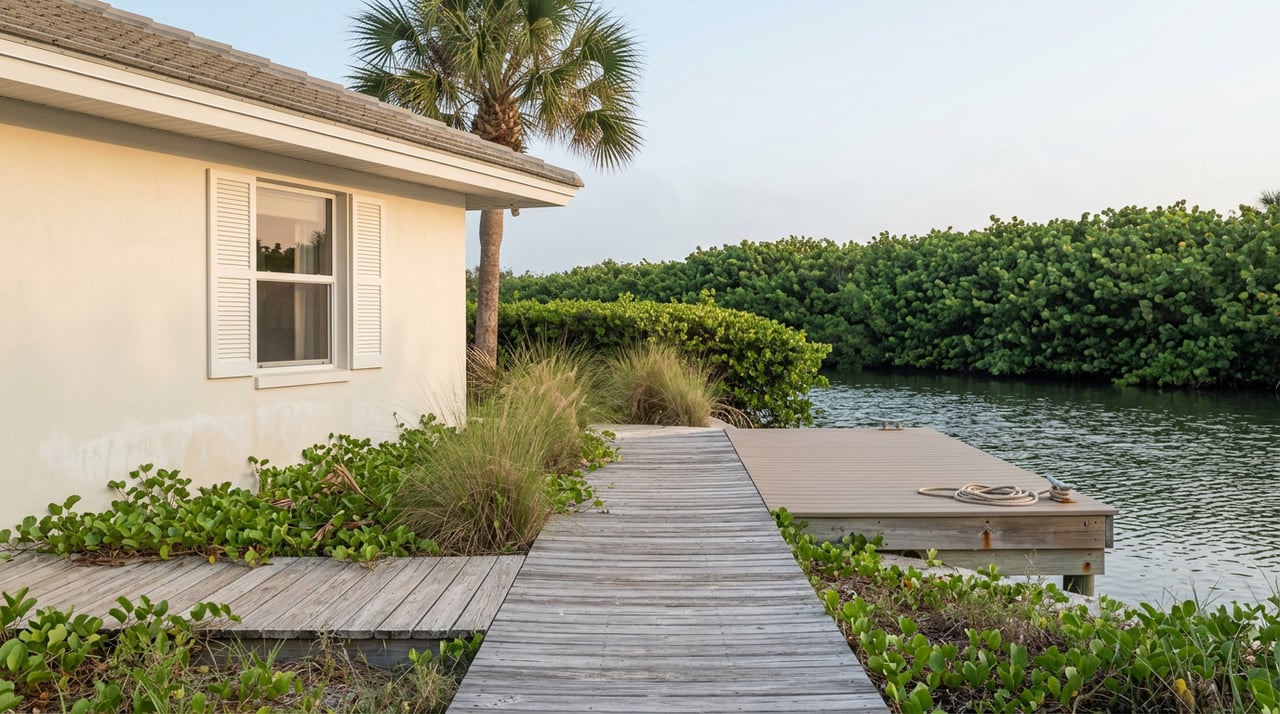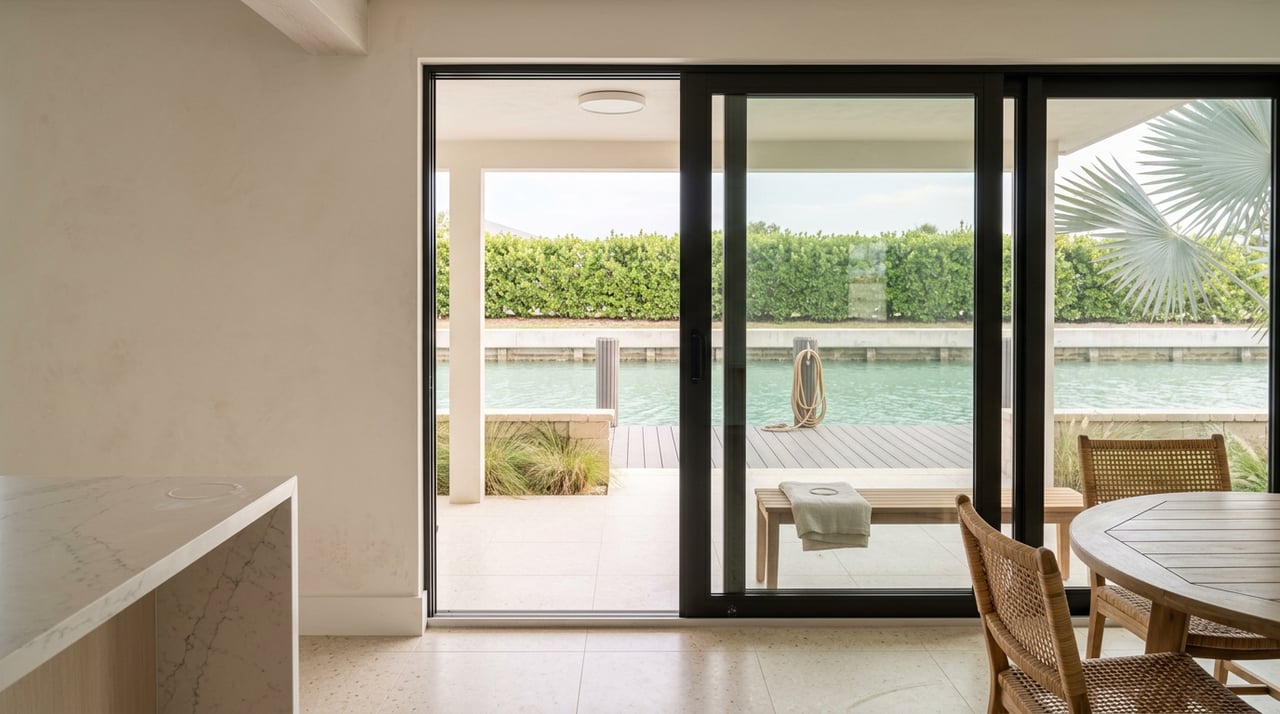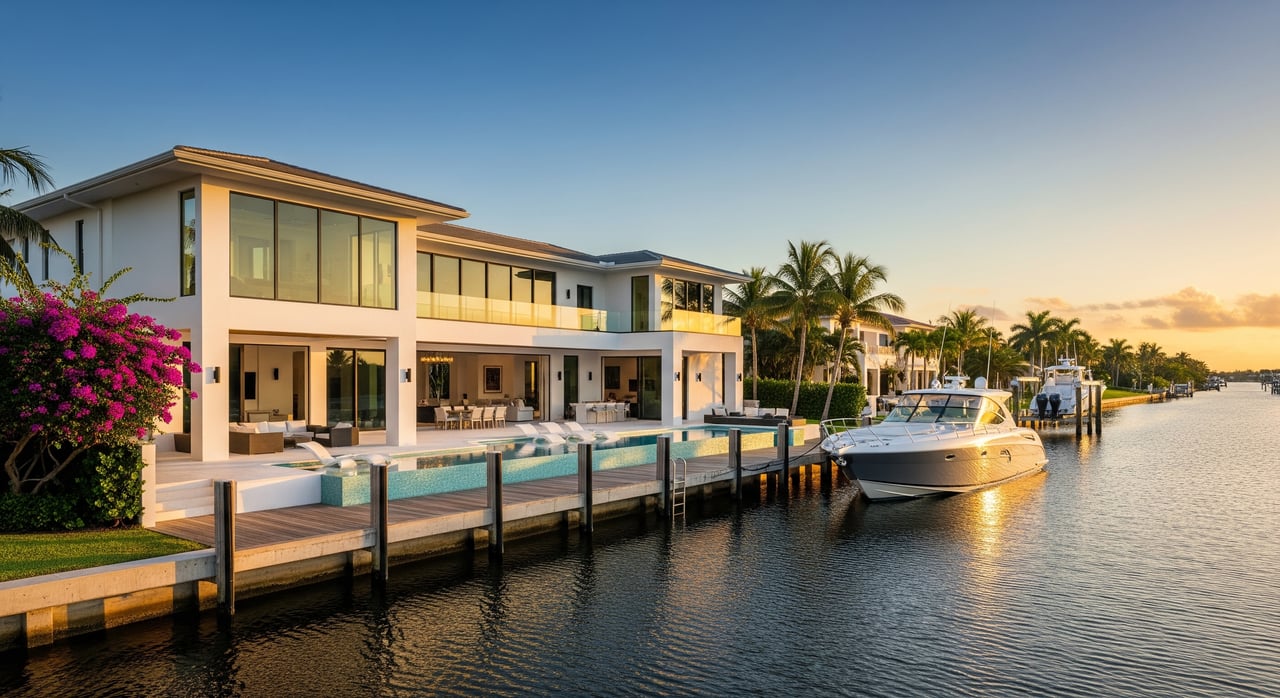
Do you picture stepping from your back door onto a dock and cruising out to the Gulf? In Southwest Florida, you’ll find two standout paths to that lifestyle: Cape Coral’s canal network and Fort Myers’ river and bayfront. If you’re deciding between them, it helps to understand how the water connects, what boat access really looks like day to day, and how the property types differ. In this guide, you’ll learn the practical contrasts so you can choose the waterfront that fits your boat, your budget, and your routine. Let’s dive in.
How the water connects
Both cities feed into the same system. Cape Coral’s canals empty into the Caloosahatchee River and Matlacha Pass before reaching open Gulf waters near San Carlos Bay. Fort Myers sits along the Caloosahatchee and near Estero and San Carlos bays, placing many properties closer to navigable channels.
The route you’ll run depends on your neighborhood and vessel. In Cape Coral, you typically navigate out of your canal, reach the river or pass, then head toward the Gulf. In Fort Myers, many riverfront properties sit near deeper water and closer to channels, which can reduce the number of tight turns or shallow spots you encounter.
Gulf access and boat handling
Cape Coral canal access
Cape Coral is built for private docks. You’ll see concrete seawalls, lifts, and finger piers along long, narrow lots. The benefit is abundant inventory and a wide range of price points. The tradeoff is that some canals are narrower or shallower, and you may need more time to reach open water depending on your location.
Fixed bridges around the region set the clearance for taller vessels, especially sailboats. If your boat has significant height, confirm the bridge clearances on your most likely routes. You’ll also want to note any no‑wake or slow‑speed zones that affect travel time.
Fort Myers river and bay access
Fort Myers riverfront and bayfront homes often enjoy more direct access to navigable channels and, in many areas, deeper water right off the dock. Lots are often larger, maneuvering room is simpler for bigger boats, and marina services are more concentrated near the downtown riverfront and nearby bays. Inventory is smaller, and these properties tend to command a premium for that access and water depth.
Property types and home styles
Cape Coral canal-front
- Predominantly single‑family homes with private seawalls and docks.
- Styles range from mid‑century and 1990s ranch to newer coastal‑contemporary builds.
- Many lots are long and narrow with the home oriented toward the canal for water views and outdoor living.
- Boat-friendly features often include lifts, pilings, and dockside utilities, with depth varying by canal.
Fort Myers riverfront and bayfront
- A mix of riverfront estates, historic “Old Florida” cottages, and condominiums with marina‑style amenities.
- Larger lots are common along the river and bay, with docks positioned near deeper water and closer to channels.
- Proximity to marinas, fueling, and maintenance can simplify upkeep and longer voyages.
What matters most to boaters
- Quantity vs directness: Cape Coral offers a larger selection of private‑dock homes at varied price points. Fort Myers offers fewer waterfront parcels but often more direct, deeper access.
- Maneuvering: Narrower canals can require tighter turns in Cape Coral. Fort Myers riverfront can make maneuvering larger vessels easier.
- Dock footprint and rules: Each city has local codes on dock length, piling placement, and lift installations. Permits and setbacks can differ by location.
Showings checklist for waterfront buyers
Bring this to every tour and inspection. It will save you time and surprises later.
- Seawall condition: Look for cracking, bowing, or undermining; note the material.
- Dock construction: Check pilings, any floating elements, decking, and lift condition. Confirm electrical and water hookups.
- Water depth: Verify depth at the dock at mean low tide, especially if your boat has a deeper draft.
- Turning room: Measure the canal width and confirm you can safely turn your vessel.
- Hazards and obstructions: Ask about submerged obstacles, shoaling, and channel history.
- Fuel and service access: Identify nearby marinas, fuel docks, and haul‑out or repair yards.
- Bridge clearances: Confirm fixed bridge heights along your likely route.
- Speed zones and rules: Note slow‑speed areas and any mooring or anchoring restrictions near the property.
Maintenance and cost planning
Waterfront ownership comes with extra upkeep. Seawall replacement is a major, site‑specific cost driven by material and length. Docks and lifts require periodic electrical and structural maintenance, and pilings need eventual replacement. Some canals require periodic dredging; verify if work has been done historically and who is responsible.
Budget realistically for ongoing repairs and replacements. During due diligence, secure contractor estimates so you understand near‑term and long‑term costs.
Permits and environmental rules
Waterfront improvements frequently require permits. Seawalls, docks, and lift additions are subject to city and county approvals. When wetlands or mangroves are involved, state and federal agencies may also be part of the process. Relevant agencies include the city permitting office (Cape Coral or Fort Myers), the U.S. Army Corps of Engineers for structures in navigable waters, the Florida Department of Environmental Protection, and the Florida Fish and Wildlife Conservation Commission for mangrove rules.
Before you buy, confirm any prior permits on the property and whether completed work passed final inspections. If you plan to add or modify a dock or lift, get clarity on timelines and requirements.
Flood risk, storms, and insurance
Both cities sit in a coastal, hurricane‑prone region. Flood exposure depends on your lot elevation and proximity to open water. Your lender may require flood insurance based on FEMA flood zones, and wind coverage can be a larger line item for coastal homes.
Ask for the property’s current elevation certificate and confirm the FEMA flood zone. Wind mitigation features such as hurricane straps and shutters can influence premiums. Shop policies early in your inspection period so you can compare options and plan your budget.
Price, value, and inventory patterns
In general, Fort Myers river and bayside properties command a premium because of deeper water and direct channel access. In Cape Coral, values vary widely by canal type and location. Wider, deeper canals and proximity to main channel exits usually price higher than shallow or dead‑end canals.
Southwest Florida also has a seasonal rhythm. Inventory and competition can swing with seasonal visitors, so timing your search and making a strong plan early can help you move quickly on the right property.
Which city fits your lifestyle?
Choose Cape Coral if you want a larger selection of canal‑front homes with private docks across a wide range of budgets. You get the classic backyard‑to‑boat lifestyle, and your search can focus on the canal type that best suits your vessel.
Choose Fort Myers if you want more direct access to the river and bays, deeper water off the dock, and closer proximity to downtown riverfront amenities and marinas. You’ll likely see fewer options, and many will sit at a higher price point, but the boating convenience can be worth it for larger vessels or frequent cruisers.
Smart next steps
- Match the property to your boat: Draft, beam, and height all matter. Map your likely route to the Gulf and note any bridges and slow‑speed zones.
- Inspect the infrastructure: Seawall, dock, lift, and electrical should be examined by qualified pros. Get estimates for any near‑term maintenance.
- Verify permits and insurance: Confirm permit history, flood zone, elevation certificate, and current policy quotes during your inspection period.
- Compare neighborhoods by access: In Cape Coral, focus on canal width, depth, and distance to the river or pass. In Fort Myers, evaluate channel proximity and marina services.
When you’re ready to shortlist properties, you don’t have to figure this out alone. Work with a local waterfront specialist who will vet seawalls and docks, confirm route constraints, and coordinate inspections, quotes, and permits so your closing is smooth and stress‑free. If you want a guided, concierge‑style search in Cape Coral or Fort Myers, connect with Danene Bazon PA to get started.
FAQs
What’s the main boating difference between Cape Coral and Fort Myers?
- Cape Coral offers abundant canal‑front homes with private docks, while Fort Myers has fewer river and bayfront properties that often provide more direct, deeper access to navigable channels.
How do bridge clearances impact my boat choice?
- Fixed bridges on typical routes can limit mast height or tall superstructures, so verify clearances on your preferred path to the Gulf before you buy.
What should I check on a seawall and dock before buying?
- Look for cracking, bowing, and undermining on seawalls; inspect dock pilings, decking, electrical, and lifts, and confirm water depth at mean low tide.
How do flood zones and insurance affect waterfront homes?
- Flood insurance and wind coverage costs vary by FEMA flood zone, elevation, and wind‑mitigation features, so review the elevation certificate and get quotes early.
Are there extra fees for canal or waterfront maintenance?
- Some neighborhoods or HOAs may have fees or assessments for canal, seawall, or marina upkeep; confirm any obligations during due diligence.
Do Cape Coral and Fort Myers have different dock rules?
- Yes, each city has specific codes for dock length, piling placement, and seawall standards, so check local permitting requirements for your target property.