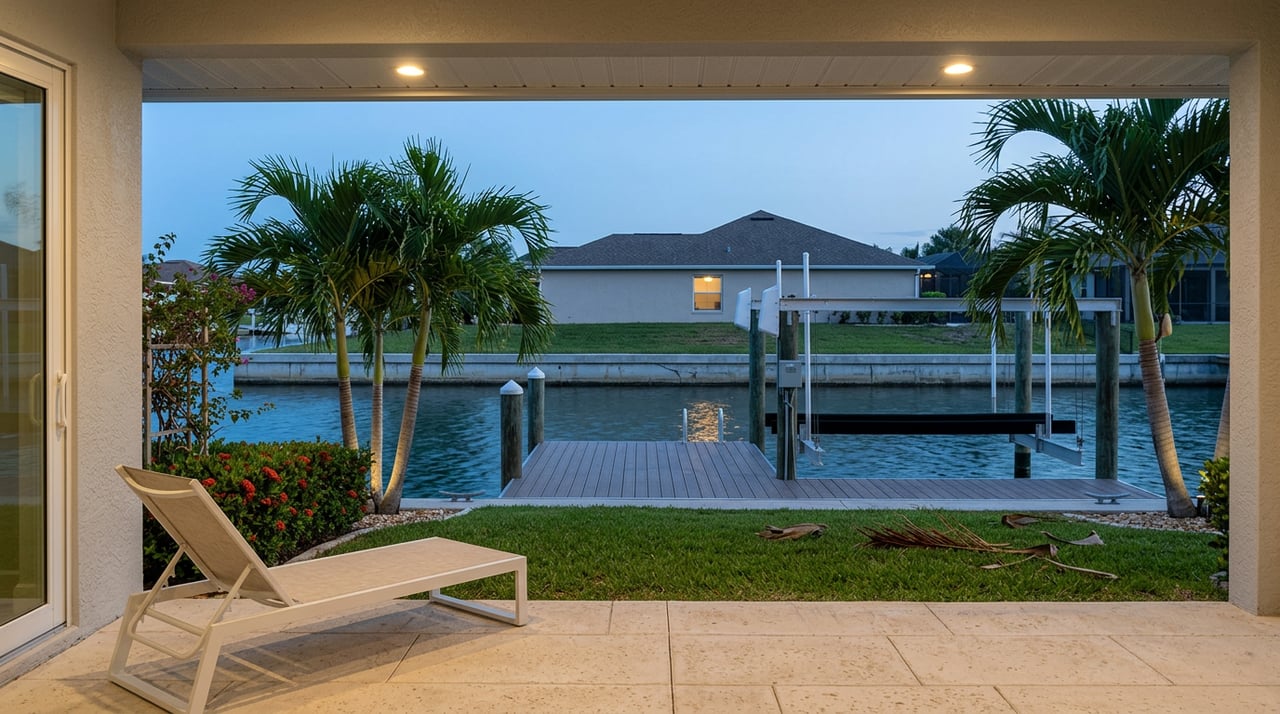
Dreaming of walking out your back door and stepping onto your boat? In Cape Coral, that vision is real, but buying the right canal-front home takes a clear plan. You want smooth navigation, a sound seawall, and insurance that will not surprise you later. This guide gives you a step-by-step roadmap tailored to Cape Coral so you can buy with confidence. Let’s dive in.
Why Cape Coral canal homes stand out
Cape Coral has one of the largest canal systems in the U.S., with over 400 miles of waterways that include freshwater, brackish, and tidal canals. The City’s Waterfront Living Guide explains how canal types support stormwater, boating, and habitat, and why that matters for homeowners. You should confirm the exact canal type for each home you tour because it affects boating access, corrosion exposure, and permitting. Review the City’s overview in the Waterfront Living Guide to ground your search.
Step 1: Decide your canal type
Your lifestyle and boat should drive this first choice.
Freshwater canals
- Designed mainly for stormwater management with no Gulf access.
- Great for views, kayaking, and a quieter setting.
- Fewer salt-related corrosion concerns on lifts and hardware.
Tidal and gulf-access canals
- Connect to the estuary and Gulf system for boating and fishing.
- Confirm bridge clearances and route length if you own a tall vessel.
- Expect marine-grade materials and maintenance suited to brackish or salty water.
Tip: Ask the listing agent to map the route to open water and note any fixed bridges. Cross-check the canal type and navigation path using the City’s waterfront resources.
Step 2: Confirm waterfront rights and the seawall
In Cape Coral, legal waterfront status and seawall responsibility are crucial.
- Owner responsibility: For saline or tidally influenced canals, the City’s Land Development Code requires a seawall and makes the owner responsible for construction and maintenance. Review the relevant code language in the Land Development Code.
- Unexcavated platted waterway: Some older plats show a narrow right-of-way that was never dug out. If that strip exists between your lot and the water, you may need a vacation of right-of-way or an agreement before building a dock or seawall. Your title review should check for this.
- What to request from the seller: a current survey and legal description, any as-built drawings, permits and invoices for seawall, dock, and lift, and a seawall affidavit if one exists in the file. You can see the City’s forms and guidance in the Permit Document Center.
Red flags to pause on:
- Visible seawall cracking, bulging, or separation from the yard.
- No documentation for recent seawall or dock work.
- Title exceptions that mention a waterway right-of-way with no recorded vacation.
Step 3: Line up smart contingencies
Write a strong offer that protects you while keeping your closing on track.
- Seawall and dock contingency: Allow 10 to 21 days for inspections and quotes. Include permission to access the dock and lift.
- Title and rights: Add a contingency to confirm the right to maintain or replace a seawall and to build or service marine improvements if needed.
- Elevation Certificate: Include a contingency to obtain one if your lender or insurer requires it.
Who to hire during the inspection period:
- A licensed marine or seawall contractor for a written condition report and cost estimate.
- A structural or civil engineer if the wall shows distress, for a sealed letter on remaining service life.
- A professional land surveyor to verify water boundaries and prepare an Elevation Certificate if required.
- A home inspector with waterfront experience to review roof, pool cage, dock, lift, and utilities.
Step 4: Understand permits and environmental rules
Marine work in Cape Coral can involve multiple agencies. Planning ahead keeps projects moving.
- City of Cape Coral: Reviews marine improvements, sets construction standards and setbacks, and manages local permits. See forms and contacts in the Permit Document Center.
- Florida DEP: The South District reviews Environmental Resource Permits for docks, riprap, and shoreline stabilization, and enforces mangrove rules. Start with the DEP South District Permitting page for checklists and contacts.
- Floodplain rules and maps: Lee County and FEMA mapping guide flood zones and elevation requirements that can affect your plans and insurance. Track updates on Lee County’s FEMA map changes.
Expect simple, code-compliant residential work to permit in weeks to a few months, while complex projects that involve dredging or significant shoreline changes can take many months. Build realistic time into your plan.
Step 5: Plan for flood and insurance
Waterfront buyers often balance two coverages: homeowners and flood.
- Homeowners policies do not cover flood damage. If your property lies in a FEMA Special Flood Hazard Area, most lenders will require a flood policy. Learn the basics, including how an Elevation Certificate or Letter of Map Amendment may affect premiums, from FEMA’s FloodSmart.
- Florida market reality: Work with a Florida-licensed insurance agent to secure homeowners and flood quotes early, and be clear about acceptable cost and carriers in your contract. Florida’s Citizens Property Insurance Corporation serves as an insurer of last resort and outlines available products on its policy types page.
- Underwriting requests: Expect requests for an Elevation Certificate, wind-mitigation or roof report, and documentation of seawall age or repairs. Keep permit records handy.
Step 6: Budget for seawalls, docks, and lifts
Seawall condition is one of the biggest financial levers in a canal-front purchase.
- Cost ranges to plan for: Repairs often range from about 150 to 600 dollars per linear foot, while full replacements can span roughly 500 to 1,200 dollars or more per foot depending on material, site access, and depth. Use these as planning ranges and always get itemized bids for the specific address. See typical ranges summarized by HomeAdvisor.
- Typical service life: Marine contractors often quote 15 to 30 years for wood bulkheads, 25 to 50 years for vinyl, 25 to 40 years for steel depending on corrosion exposure, and 50-plus years for well-detailed concrete systems with proper maintenance. Review material pros and cons with your contractor, and see an overview from Florida Lifts and Docks.
- Permitting and mitigation: Budget a 10 to 20 percent contingency for permits, staging, and possible environmental mitigation like mangrove protection or seagrass considerations. These items can add meaningful cost and time.
Simple calculator to frame expectations:
- Total linear feet of seawall × contractor bid per foot (low/median/high) + permitting/contingency = planning budget.
Step 7: Close with confidence
A little structure goes a long way, especially if you are buying from out of state.
- Title and survey: Confirm waterfront boundaries, easements, and any unvacated waterway strips. Ensure any encroachment or maintenance agreements are recorded.
- Insurance binders: Make closing contingent on binding both homeowners and flood coverage, effective on the day of closing.
- Local or remote closing: Florida closings are often handled by a title company or closing attorney. Remote signings are common, but confirm who must sign which affidavits, and that names match the recorded title exactly.
- Work in process: If repairs are needed, consider a seller credit or escrow so licensed contractors can complete work after closing. Align timing with permit realities and set clear release terms.
Buyer checklist: due diligence you can copy
- Canal type: Verify freshwater or tidal, and confirm any bridges on the route to open water in the Waterfront Living Guide.
- Seawall and dock: Ask for permits, invoices, photos, as-builts, and any seawall affidavit. Cross-check forms in the City’s Permit Document Center.
- Title and survey: Look for any unexcavated platted waterway or recorded easements that affect dock or seawall rights. Use the City’s Land Development Code for context.
- Insurance and flood: Pull FEMA map info and get early quotes for homeowners and NFIP flood coverage. Start with FloodSmart and track updates on Lee County’s map changes. Review backstop options through Citizens Property Insurance.
- Experts to hire: Marine contractor, structural engineer if needed, surveyor for Elevation Certificate, and a waterfront-savvy home inspector.
- Budget: Get itemized bids and add a 10 to 20 percent contingency for permits and mitigation; see typical ranges at HomeAdvisor.
Buying a canal-front home in Cape Coral should feel exciting, not stressful. With the right canal type, a verified seawall, a smart set of contingencies, and a clear insurance plan, you can move forward with confidence and enjoy the lifestyle you came for. If you want a local, concierge-level partner to coordinate inspections, permits, and a smooth closing, connect with Danene Bazon PA.
FAQs
What does “direct Gulf access” mean in Cape Coral?
- It refers to a tidal or brackish canal route that connects to open water without a lock, often with fixed bridges that may limit air draft, so you should verify the route, bridge clearances, and canal type before you buy.
Who is responsible for maintaining a seawall on a tidal canal?
- In Cape Coral, property owners with saline or tidally influenced canal frontage are generally required to construct and maintain their seawalls per the City’s Land Development Code, so confirm permits and maintenance history.
Do canal-front homes require flood insurance for a mortgage?
- If the property is in a FEMA Special Flood Hazard Area, a federally regulated lender will require flood insurance, and an Elevation Certificate can affect your NFIP premium and eligibility for certain map-related adjustments.
How much should I budget for seawall repairs or replacement?
- Planning ranges often run about 150 to 600 dollars per linear foot for repairs and 500 to 1,200 dollars or more per foot for full replacement, but you should obtain site-specific bids and add a 10 to 20 percent contingency for permits and mitigation.
How long do permits take for a dock or seawall in Cape Coral?
- Straightforward residential repairs or single-family docks can permit in weeks to a few months, while projects that involve dredging or significant environmental impact can extend into many months, so build time into your closing and construction plan.