If you’re getting ready to sell in Fort Myers, one question matters more than almost any other: Will your home stand out for the right reasons? In today’s market, buyers have choices, and that means your price, condition, and documentation all need to work together. The good news is that with the right plan, you can make your home more competitive and avoid the mistakes that cause listings to sit. Let’s dive in.
Fort Myers Sellers Need a Smart Strategy
Fort Myers is not acting like an extreme seller’s market right now. Local market data points to a more balanced environment, with thousands of homes for sale, a median sold price near the mid-$300,000s, and homes often taking several weeks to a few months to sell.
That matters because buyers are taking their time. They can compare homes, negotiate, and wait for a property that feels well priced and well prepared. If you want strong interest, you need to come to market with a clear plan instead of relying on guesswork.
For single-family homes, the Royal Palm Coast Realtor Association reported an April 2026 median sold price of $365,000, 50 days on market, and 5.1 months of supply in the local market. For condos and townhouses, the same report showed a $250,000 median sold price, 65 days on market, and 6.5 months of supply.
That longer timeline for condos and townhomes is important. If you’re selling one of those property types in Fort Myers, pricing discipline and complete paperwork matter even more because buyers have more inventory to choose from.
Price From Fort Myers Reality
Use Recent Local Comparables
The best pricing starts with recent comparable sales, not online estimates or broad citywide averages. The strongest comps come from homes with similar physical and legal characteristics in the same neighborhood or a closely competing area.
In Fort Myers, that usually means looking beyond bedroom count and square footage. Property type, HOA status, waterfront access, golf community location, flood zone, and storm-protection features can all affect how buyers and appraisers view value.
A canal-front home, a condo with association fees, and a non-HOA single-family home may all look similar on paper, but they do not compete in the same way. That is why neighborhood-level pricing is so important in Southwest Florida.
Avoid Overpricing Early
In a balanced market, overpricing can cost you the momentum you need most. National guidance cited in the research shows that homes priced more than 3% above the correct price often take longer to sell.
That pattern fits what Fort Myers sellers are seeing locally. Homes have been selling below asking on average, with sale-to-list ratios around 96%, which tells you buyers are negotiating and paying close attention to value.
If your goal is to sell within a reasonable timeframe, pricing at the lower end of a realistic range can be more effective than testing the market with an ambitious number. A home that feels overpriced from day one can quickly become the listing buyers scroll past.
Condition Still Shapes Price
Pricing is not just about recent sales. It also needs to reflect your home’s current condition, especially in a market where buyers can compare multiple options.
If your home needs visible cosmetic work, has aging systems, or lacks documentation for important updates, buyers may build that uncertainty into their offers. On the other hand, a clean, well-presented property with clear records often feels easier and safer to purchase.
Prepare Your Home for Today’s Buyers
Focus on High-Impact Updates
You do not need a major remodel to make your home more marketable. In Fort Myers, minor cosmetic improvements like paint, fixtures, and landscaping tend to deliver better value than large renovation projects.
That means your first priority should be the items buyers notice right away. A fresh, clean, cared-for home usually performs better than one with expensive upgrades that do not match buyer expectations for the neighborhood or price point.
A practical pre-listing checklist often includes:
- Deep cleaning from top to bottom
- Decluttering each room
- Removing overly personal decor
- Touching up or repainting walls in neutral tones
- Fixing obvious cosmetic issues
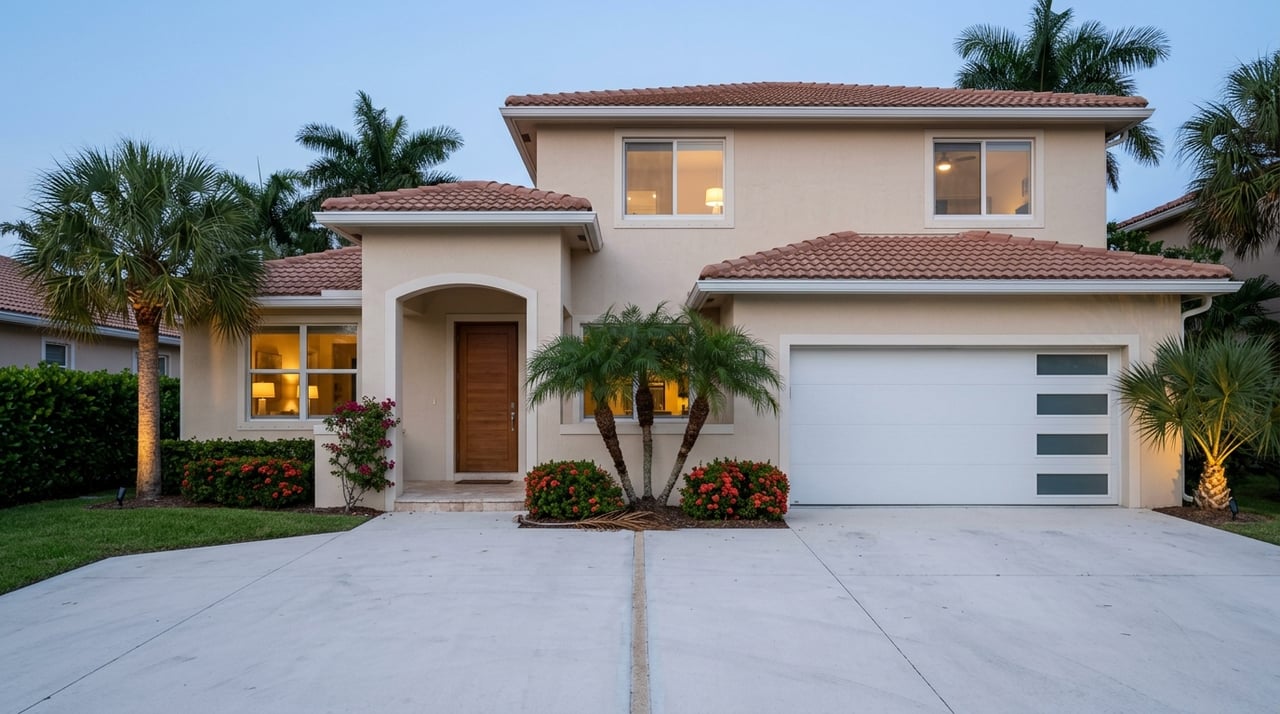
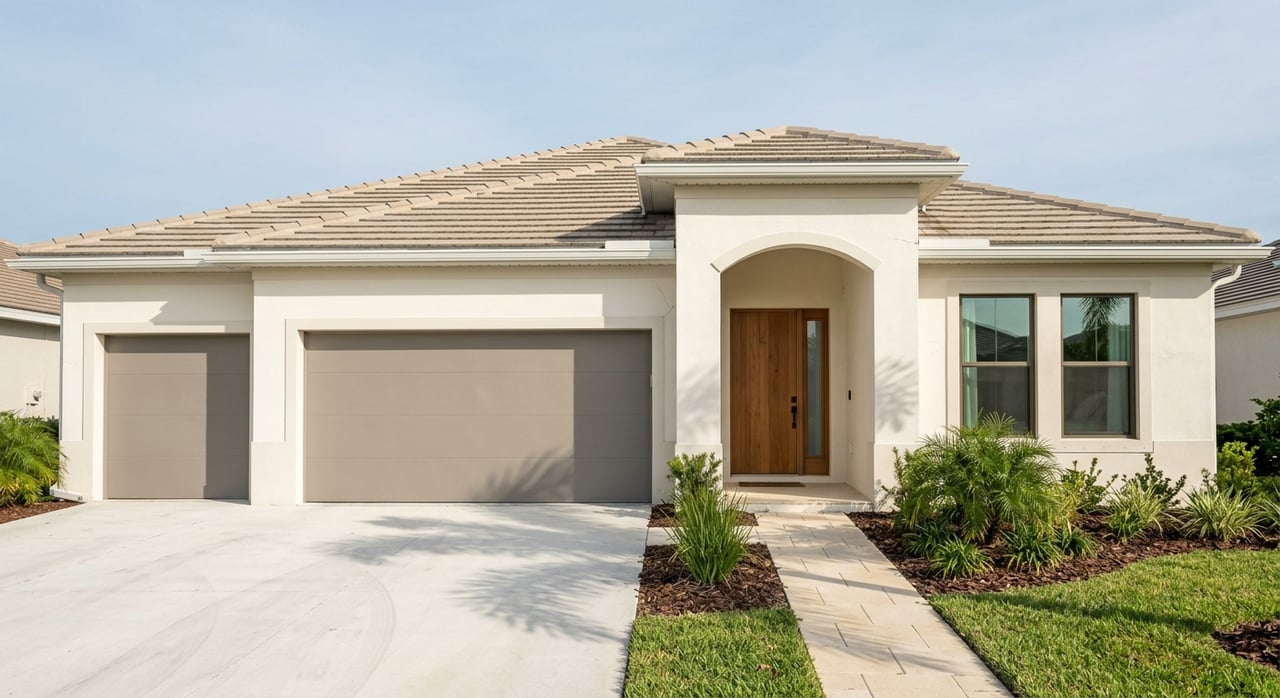
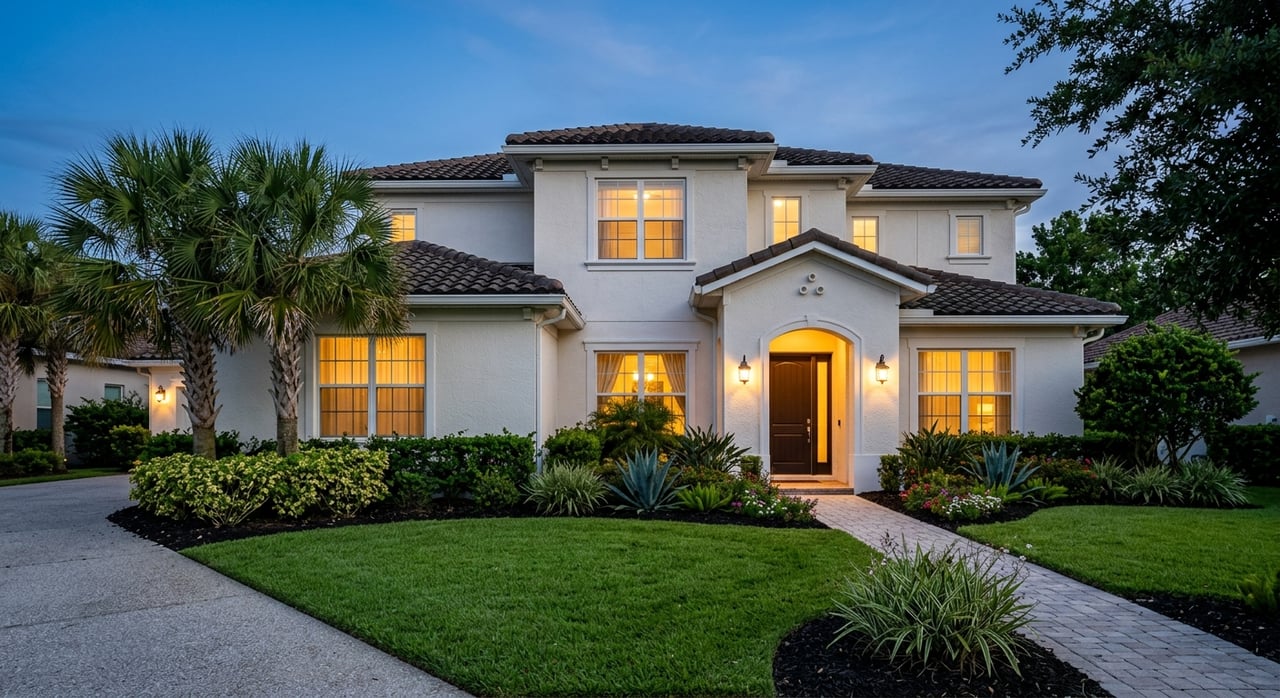
- Refreshing landscaping and entry areas
- Making sure the home shows well in photos
These steps help buyers focus on the home itself instead of distractions. They also support stronger marketing once your listing is live.
Stage for Clarity, Not Perfection
Staging does not have to mean a full redesign. Often, it means arranging furniture, simplifying decor, and creating a clean, neutral presentation that helps buyers picture how the home functions.
Research cited in the report found that 83% of buyers’ agents said staging makes it easier for buyers to visualize a property as their future home. More than a quarter of real estate professionals also reported that staging increased the dollar value offered by 1% to 10%.
The goal is not to make your home look generic. The goal is to make it feel spacious, bright, and easy to understand the moment a buyer walks in or sees the photos online.
Fort Myers Sellers Should Organize Key Documents
Storm and Permit Records Matter
In Southwest Florida, buyers often want more than a pretty showing. They also want confidence in the home’s maintenance history and storm readiness.
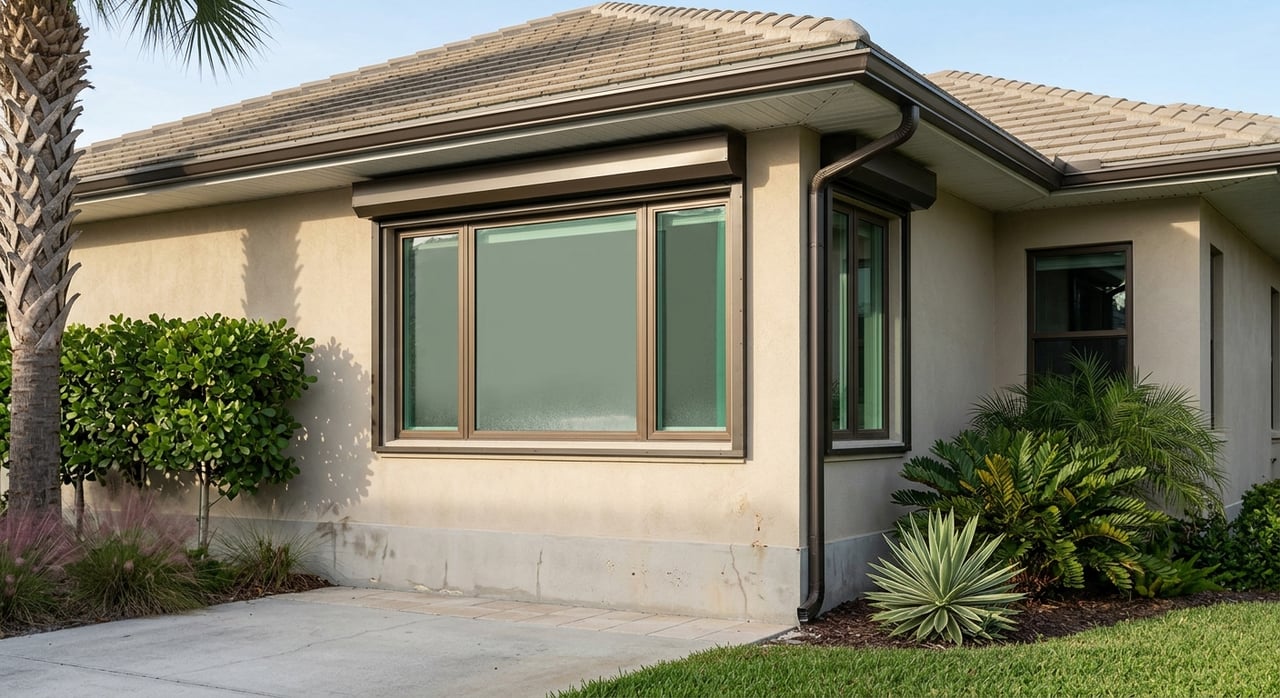
That is why it helps to gather records for major systems and exterior improvements before you list. If you have replaced windows, doors, shutters, screens, or other exterior components, it is smart to organize permit paperwork early.
Lee County guidance shows that permits are required for certain exterior opening work, including shutters and size-for-size window or door replacement. In some coastal or barrier island settings, added survey or engineering documentation may also be required.
If your home has a newer roof, updated HVAC, hurricane protection, lanai screen repairs, or pool cage work, having those records available can make your listing feel more complete and easier to evaluate.
Flood and Elevation Information Can Help
Flood-related documentation is another smart item to collect before going live. In Lee County, elevation certificates may be tied to permit records in unincorporated areas, and homes in Special Flood Hazard Areas may need elevation compliance documentation.
This does not mean every seller has the same paperwork needs. It does mean that if your property has flood-zone questions, storm history, or prior repairs, preparing a document packet early can save time later.
Lee County also notes that in flood zones, repair or renovation work can trigger the 50% substantial-improvement rule if the cost of work reaches or exceeds half the structure’s value. That is one more reason to get organized before a buyer starts asking detailed questions.
Disclosure Prep Should Start Early
Florida sellers have important disclosure obligations. Under Florida case law, sellers must disclose facts that materially affect value, are not readily observable, and are not known to the buyer.
In practical terms, that means it is better to identify and document known issues upfront than to hope they never come up. This can include known flood history, prior insurance or repair issues, code matters, HOA-related information, or lead-based paint disclosures for homes built before 1978.
Starting early helps you avoid stress once your home is under contract. It also gives you time to gather records, clarify missing details, and present your home with more confidence.
Timing Matters, But Readiness Matters More
Many sellers ask about the best week or month to list. Timing can help, especially in the spring selling season, but it should not override preparation.
Research for 2026 found that early spring can be a strong time to list, especially in regions where inventory is more abundant. At the same time, seller timing is not uniform across Florida markets, which means there is no one perfect date for every Fort Myers home.
The better strategy is simple: prepare the home well, price it from current local comps, and launch when it is truly ready. A well-prepared listing usually has a better chance than a rushed listing that hits the market on the “right” week.
A Better Selling Plan for Fort Myers
In this market, success usually comes down to three things: accurate pricing, visible preparation, and clean documentation. Buyers are still active in Fort Myers, and migration into the broader Cape Coral-Fort Myers area shows ongoing demand, but demand alone does not guarantee a strong outcome.
You want your home to look cared for, feel easy to evaluate, and enter the market at a price that makes sense for its exact location and features. That is especially true for properties with waterfront elements, HOA considerations, condo documents, storm-related updates, or flood-zone questions.
When your strategy matches how Fort Myers buyers actually shop, you put yourself in a stronger position from the start.
If you’re thinking about selling and want a local, hands-on plan for pricing, prep, and launch timing, Danene Bazon PA can help you move forward with clear guidance and concierge-level support.
FAQs
How should you price a home in Fort Myers?
- You should price from recent comparable sales in your neighborhood or a closely competing area, while also accounting for property type, condition, HOA status, waterfront features, flood zone, and storm-protection updates.
What repairs matter most before selling a Fort Myers home?
- The highest-impact items are usually cleaning, decluttering, neutral paint, cosmetic touch-ups, curb appeal, and fixing visible issues that make buyers question the home’s upkeep.
Do Fort Myers condo sellers need a different strategy?
- Yes. Local data shows condos and townhouses are taking longer to sell than single-family homes, so accurate pricing and organized documentation are especially important.
What documents should Fort Myers sellers gather before listing?
- Helpful documents can include permits, repair records, roof and HVAC information, window or shutter records, flood or elevation documents when applicable, and any materials needed for required disclosures.
Do Florida sellers need to disclose known problems?
- Yes. Florida sellers generally must disclose known facts that materially affect value, are not readily observable, and are not already known to the buyer.