If you are buying a home in Fort Myers, hurricane readiness deserves a spot near the top of your checklist. In this area, you are not just choosing a floor plan or a view. You are also choosing how a property may perform during wind, heavy rain, flooding, and storm surge. This guide will help you spot the home features, documents, and lot conditions that matter most so you can buy with more confidence. Let’s dive in.
Why hurricane-ready features matter in Fort Myers
Lee County identifies hurricanes, tropical storms, flooding, and storm surge as major local hazards. The county also notes that the shallow coastline and low land elevation can make storm surge a serious risk, including farther inland.
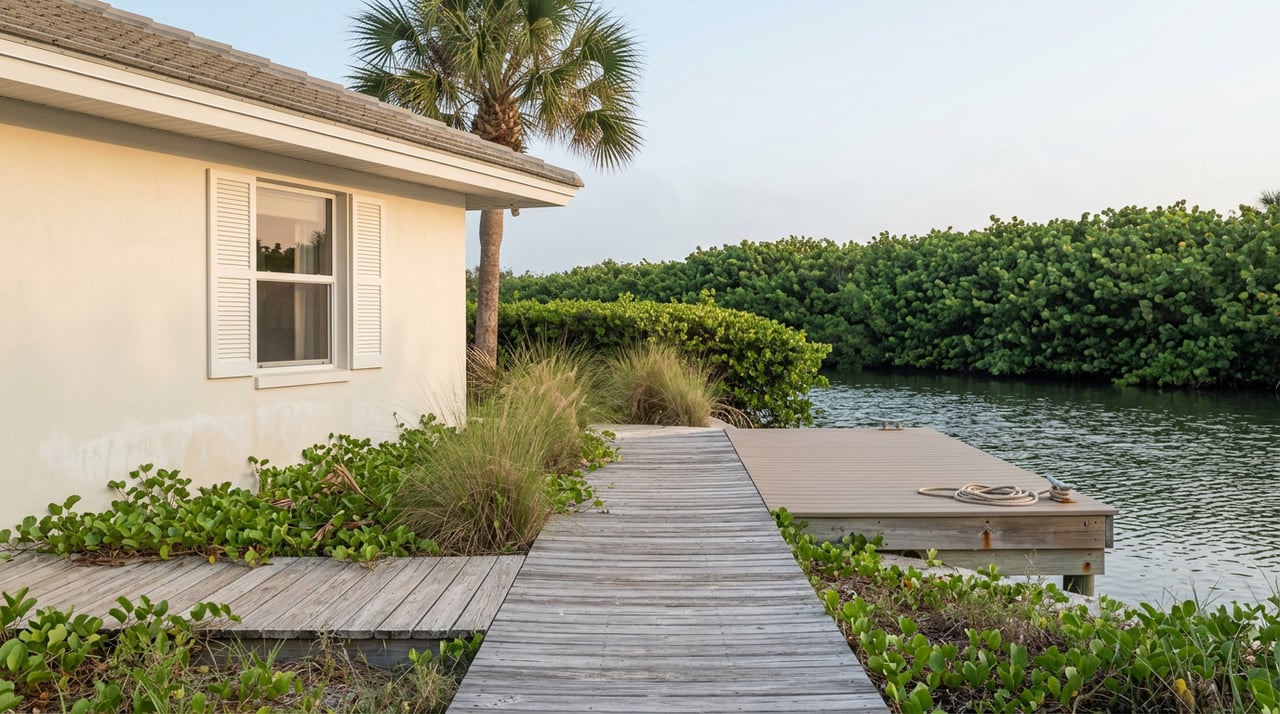
That means a home can look great on the surface and still raise important questions once you look at the roof system, openings, elevation, and drainage. In Fort Myers, hurricane readiness is not just about the house itself. It is also about the lot, the paperwork, and how water moves around the property.
Another reason documentation matters is Florida’s current statewide building code. The 8th Edition of the Florida Building Code took effect on December 31, 2023, which makes newer permitted work and clearly documented upgrades easier for buyers to evaluate than vague seller descriptions.
Start with the roof system
When buyers think about storm protection, they often ask about roof age or roof material first. Those details matter, but they are only part of the story.
Citizens’ mitigation guidance points to several roof-related features that can affect hurricane performance and potential insurance discounts. These include roof shape, roof-deck attachment, roof-to-wall connection, roof covering, and secondary water resistance.
Look for roof shape clues
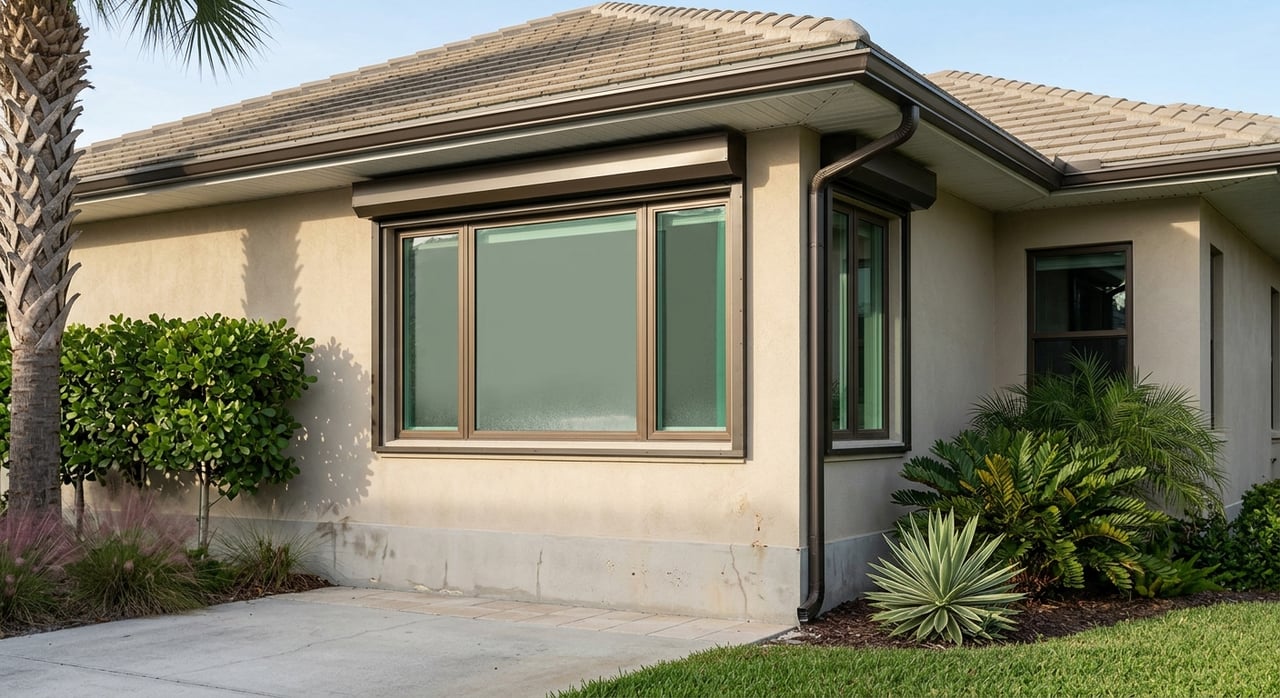
A hip roof may be a positive sign because Citizens gives mitigation credit for that roof shape. In simple terms, a hip roof slopes on all sides, which can help reduce wind pressure compared with some other designs.
During a showing, also notice whether the home has gables, flat sections, or additions that may change how the roof performs. A home with multiple roof sections may need a closer review, especially if parts were added or replaced at different times.
Ask how the roof was assembled
The better question is not just, “What is the roof made of?” It is, “How was the roof built, attached, and documented?”
Citizens lists examples of features that can matter, including roof sheathing attached by 8d nails or screws, roof-to-wall clips or wraps, roof coverings that meet Florida Building Code equivalency, and a self-adhesive waterproof barrier for secondary water resistance.
Some of these details are hidden from view during a normal showing. That is why the paper trail can be just as valuable as the visible upgrade.
Request permit and product records
Lee County permit guidance calls for wind-load compliance cut sheets, Florida approval numbers for doors, windows, garage doors, shutters, and soffit material, plus connector schedules that address uplift. For you as a buyer, those records help show whether improvements were completed to code.
If a seller says the roof was replaced or upgraded, ask for re-roof permits, invoices, and any approval documents. Clear records can make it easier to understand what was done and when.
Check windows, doors, and garage doors
Openings are one of the biggest weak points in a storm. If wind gets inside through broken glass or a failed door, the damage can spread quickly.
Citizens says wind mitigation discounts can be based on shutters or impact-resistant windows and doors. Its guidance also says all exterior openings, or all glazed exterior openings, must be fully protected to qualify.
Confirm full opening protection
When you tour a home, do not stop at the front windows. Ask whether the protection applies to all relevant openings, including:
- Windows
- Exterior doors
- Garage doors
- Skylights
- Stored shutter panels, if the home uses them
Approved products must meet Florida or Miami-Dade approval standards according to Citizens. If the home has shutters or impact products, ask for the product approvals and installation records.
Do not overlook the garage door
In many Fort Myers homes, the garage door is a large opening exposed to wind pressure. If it is not properly rated or documented, that can be an issue even when the rest of the house appears well maintained.
Because of that, garage door approvals should be part of your review, not an afterthought. This is especially true in homes with wide street-facing garages, which are common in Southwest Florida.
Pay attention to hidden features
Some of the most valuable storm-readiness features are not easy to see. Citizens says attic access may be needed to verify roof-to-wall attachment, roof-deck attachment, and secondary water-resistance features.
That means a home may have meaningful upgrades, but without attic verification or supporting records, you may not be able to confirm them. For insurance purposes, that can matter almost as much as the upgrade itself.
Ask whether a wind mitigation inspection exists
A previous wind mitigation inspection form can be very useful if it is complete and supported by documentation. Citizens notes that acceptable support documents can include invoices, roofing permits, and notice-of-acceptance letters.
If a form already exists, ask whether the attic was accessible when it was completed. A form based on limited access may not tell the whole story.
Documentation affects value
Florida consumer guidance also points to shutters, roof-to-wall clips or straps, stronger roof-deck attachment, and secondary water resistance as meaningful mitigation measures. These home-hardening features are intended to reduce storm damage and may help lower insurance costs when they are properly documented.
In other words, impact glass alone is not the whole value story. Proof of installation and code compliance is part of what makes these upgrades useful to you as a buyer.
Review elevation and flood risk carefully
Wind is only one side of hurricane readiness in Fort Myers. Flood exposure is the other side, and it deserves equal attention.
Lee County says Special Flood Hazard Areas include zones such as A, AE, AO, AH, and VE. In those areas, mandatory flood insurance purchase rules apply for federally backed mortgages.
Flood zones and surge zones are not the same
This is one of the most important local points buyers should understand. Lee County explicitly says flood zones and surge zones are not the same, and storm surge can travel miles inland.
So even if a home is not right on the water, you still want to understand the lot elevation, nearby drainage paths, and how the property handles heavy rain and rising water.
Ask for the elevation certificate
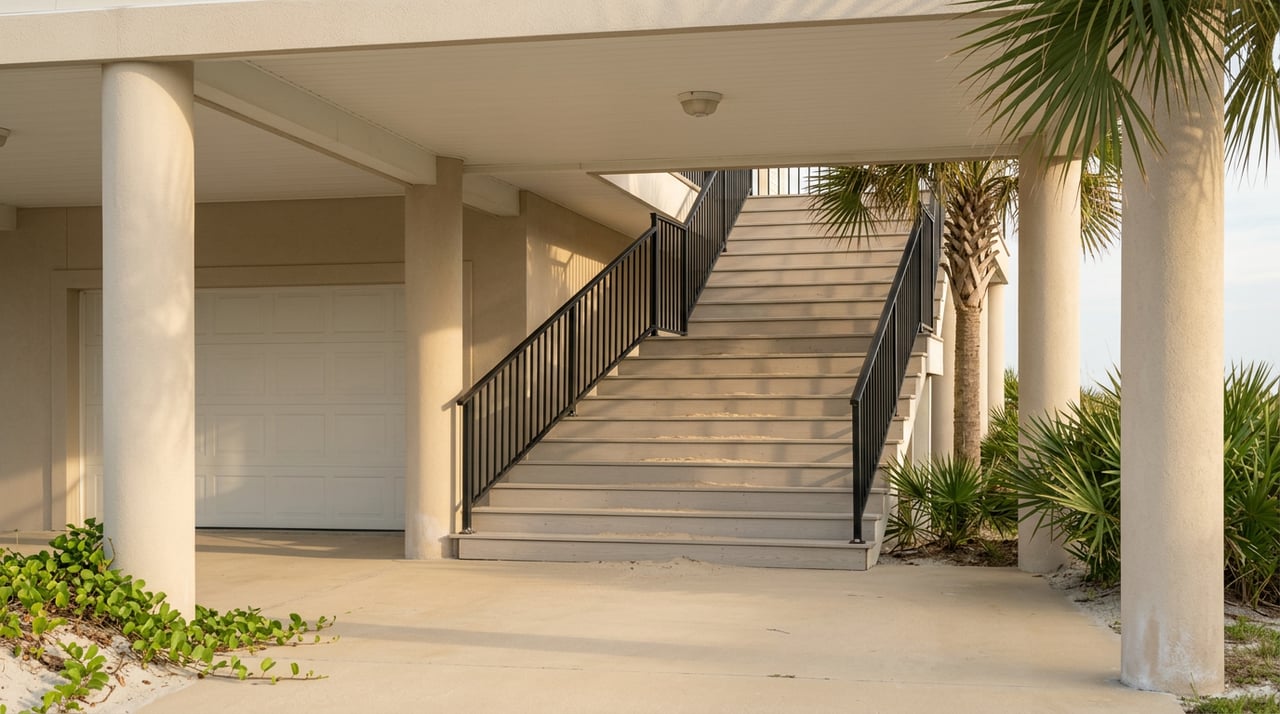
An elevation certificate is one of the most useful documents in the file. Lee County says structures in Special Flood Hazard Areas and coastal high-hazard areas must have one.
This document can help with both floodplain compliance and flood insurance. It can also help you understand the home’s lowest-floor elevation relative to Base Flood Elevation.
Understand freeboard and future costs
Lee County states that new or substantially improved or substantially damaged structures in the Special Flood Hazard Area must be built one foot above FEMA’s Base Flood Elevation. The county also notes that this freeboard can significantly lower flood insurance rates.
For a buyer, that means elevation is not just a technical detail. It can directly affect long-term ownership costs.
Look beyond the house to drainage
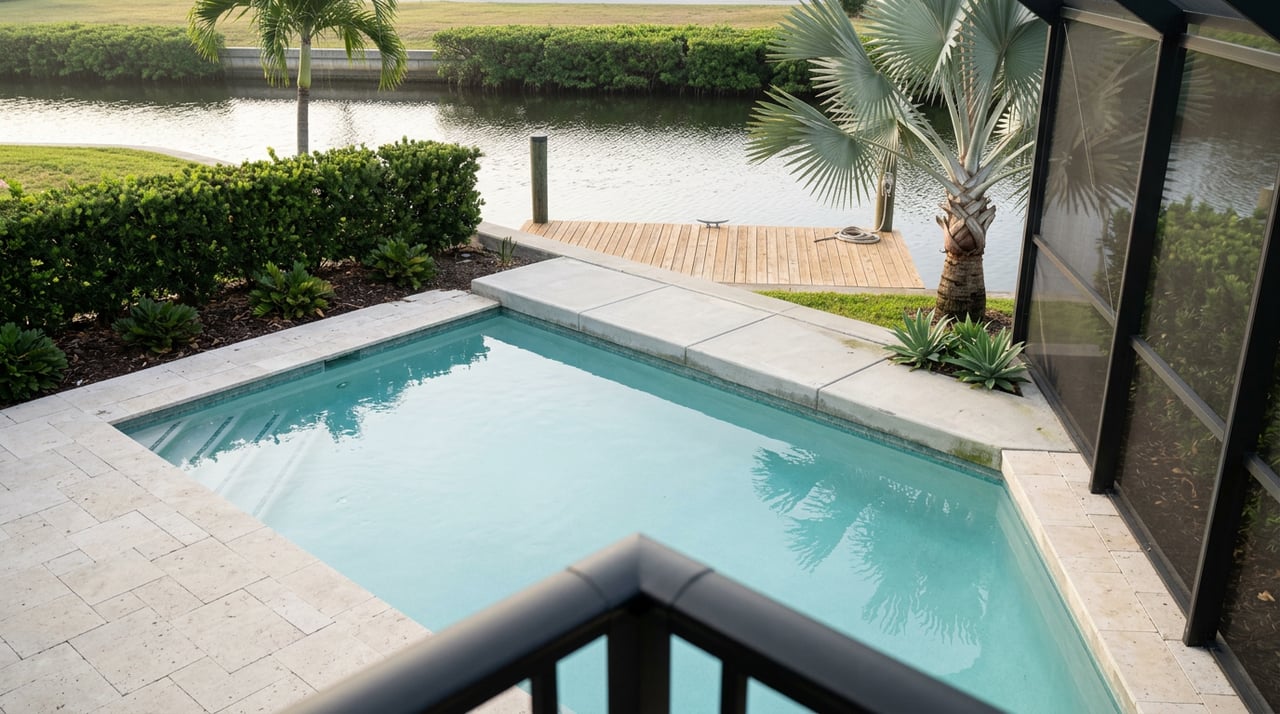
A well-built home still sits on a piece of land, and in Fort Myers that matters. The City of Fort Myers maintains stormwater and drainage programs for flood protection, but lot-level drainage and runoff still deserve a close look.
Lee County also notes that private-property owners are responsible for maintaining drainage conveyances on private land. That can include features that affect how water moves off the lot during heavy rain.
Check how the lot handles water
As you tour a property, ask practical questions such as:
- How does the lot drain during heavy rain?
- Are there swales, ditches, or canals nearby?
- Who maintains nearby drainage features?
- Do gutters direct water away from the structure?
- Does the driveway grading move water toward or away from the home?
These questions matter because post-storm usability is not only about wind damage. It is also about standing water, runoff, and maintenance responsibilities.
Understand the insurance angle
Hurricane-ready features can affect ownership costs, but buyers should keep expectations realistic. Citizens says wind mitigation can reduce insurance costs, though the savings are usually limited to the wind portion of the policy.
That still makes mitigation worth reviewing, especially in a market where insurance is part of the total affordability picture. The key is making sure the features are verified and documented.
Which features may help
According to Citizens, discounts may be available for:
- Opening protection
- Roof shape
- Florida Building Code compliance
Citizens also says homes built on or after January 1, 2002 may qualify for the Florida Building Code compliance discount. Older homes may qualify for the minimum 2001 credit if the roof was updated to meet the 2001 code.
Why inspection quality matters
Citizens says underwriters may reject forms if the inspector is not qualified or if supporting documents are incomplete. That is why buyers should not assume a seller’s insurance history will automatically transfer into the same result for a new policy.
A clean, well-documented file helps you ask better questions before closing, rather than scrambling for answers afterward.
A simple touring checklist
If you want a practical way to compare homes in Fort Myers, use this checklist during showings and due diligence:
- Ask for the roof age and any re-roof permits.
- Ask whether the roof is a hip roof or includes gables, flat sections, or additions.
- Confirm the roof-to-wall attachment, roof-deck attachment, roof covering, and secondary water-resistance status.
- Verify protection for windows, doors, garage doors, skylights, and other vulnerable openings.
- Request product approvals or shutter approvals when available.
- Ask whether a wind mitigation inspection form already exists.
- Ask whether the attic was accessible during the inspection.
- Request the elevation certificate if the property is in a Special Flood Hazard Area or coastal high-hazard area.
- Confirm the flood zone and lowest-floor elevation relative to Base Flood Elevation.
- Ask how the lot drains during heavy rain and who maintains nearby drainage features.
- If the home is outside city limits, ask whether unincorporated Lee County flood-discount rules may apply.
Buying with more confidence in Fort Myers
In Fort Myers, hurricane readiness is not about finding a perfect house. It is about understanding which features are documented, which risks are manageable, and which questions need answers before you close.
A home with the right combination of roof design, protected openings, verified upgrades, sound elevation, and good drainage may offer stronger peace of mind than a home with flashy finishes but missing records. When you know what to ask, you can compare properties more clearly and avoid surprises later.
If you want local guidance as you weigh storm-ready features, insurance considerations, and lot-specific details in Fort Myers, Danene Bazon PA can help you evaluate homes with a practical, on-the-ground perspective.
FAQs
What hurricane-ready roof features should Fort Myers buyers ask about?
- Ask about roof shape, roof-deck attachment, roof-to-wall connection, roof covering, secondary water resistance, roof age, and any re-roof permits or supporting documents.
What opening protection matters most for a Fort Myers home?
- Buyers should verify protection for all relevant exterior openings, including windows, doors, garage doors, skylights, and any shutter systems, and ask for product approvals or installation records.
What flood documents should Fort Myers buyers request?
- Ask for the flood zone information and, when applicable, the elevation certificate so you can review the home’s elevation relative to Base Flood Elevation and better understand possible flood insurance needs.
What is the difference between flood zones and surge zones in Lee County?
- Lee County says flood zones and surge zones are not the same, and storm surge can travel miles inland, so buyers should consider both mapped flood risk and lot-specific water exposure.
Can hurricane-ready features lower insurance costs in Fort Myers?
- They may help lower the wind portion of insurance costs when the home qualifies for wind mitigation discounts and the features are properly documented through an acceptable inspection and supporting records.