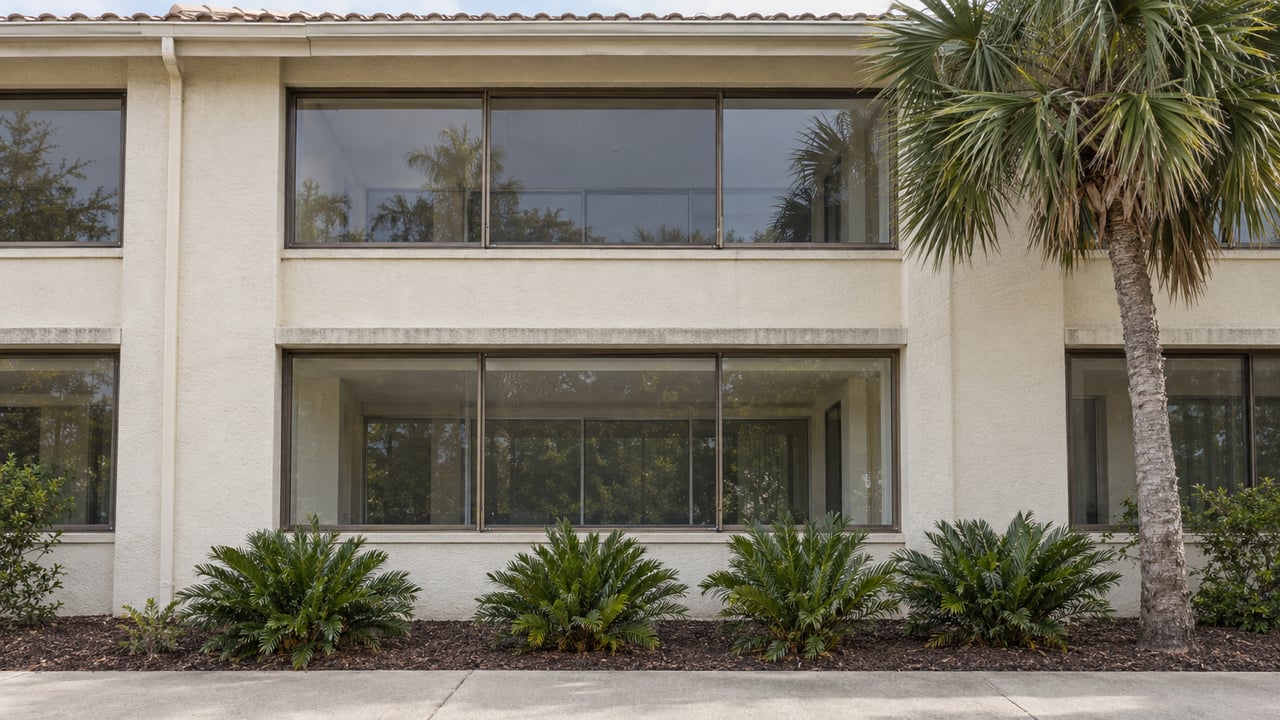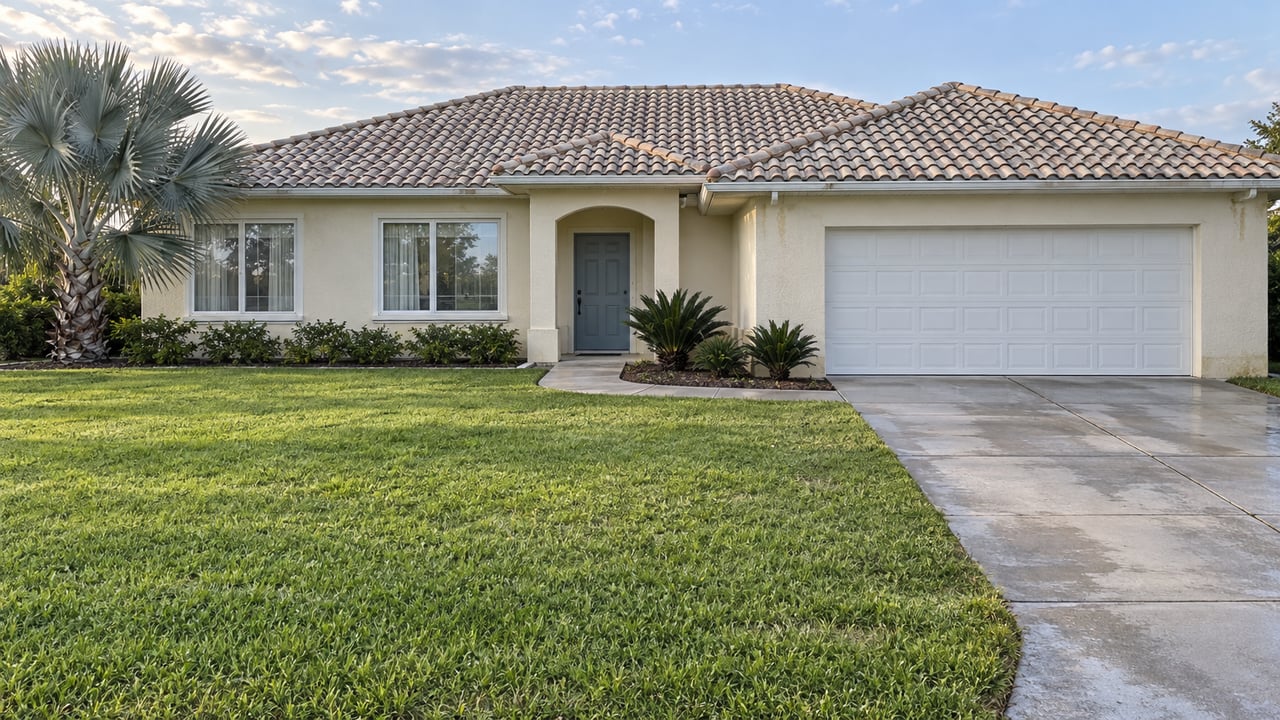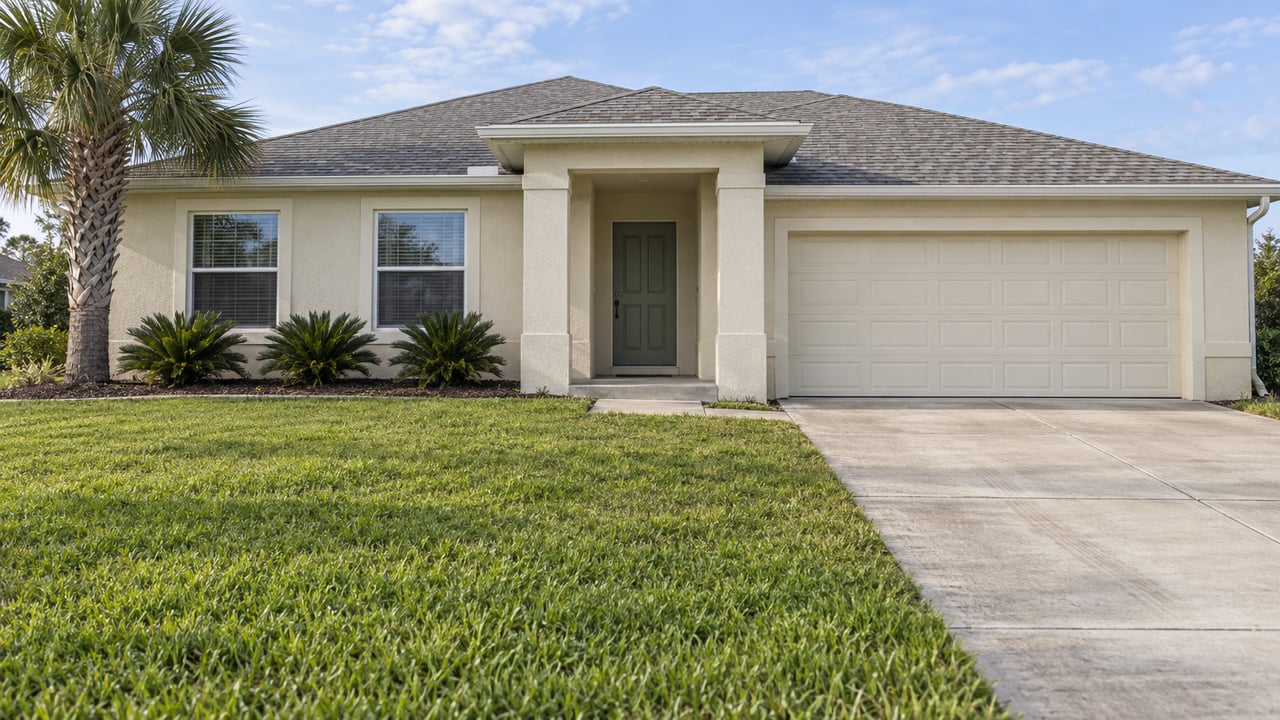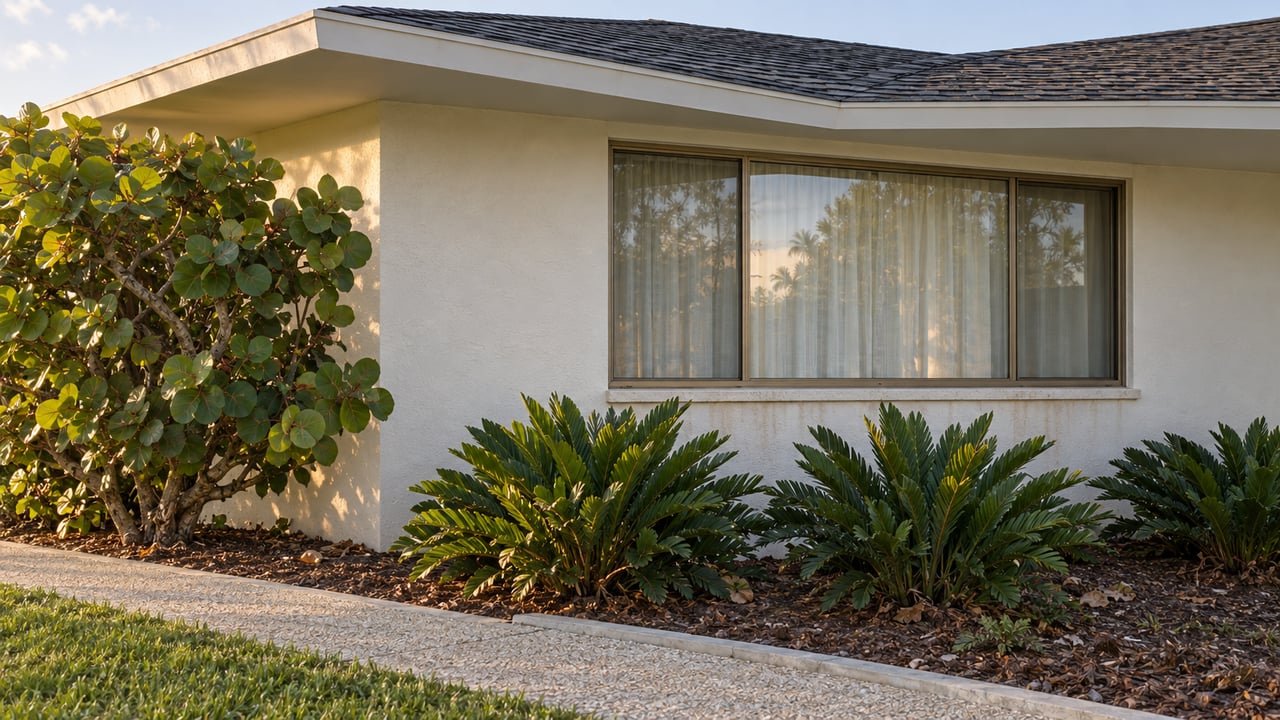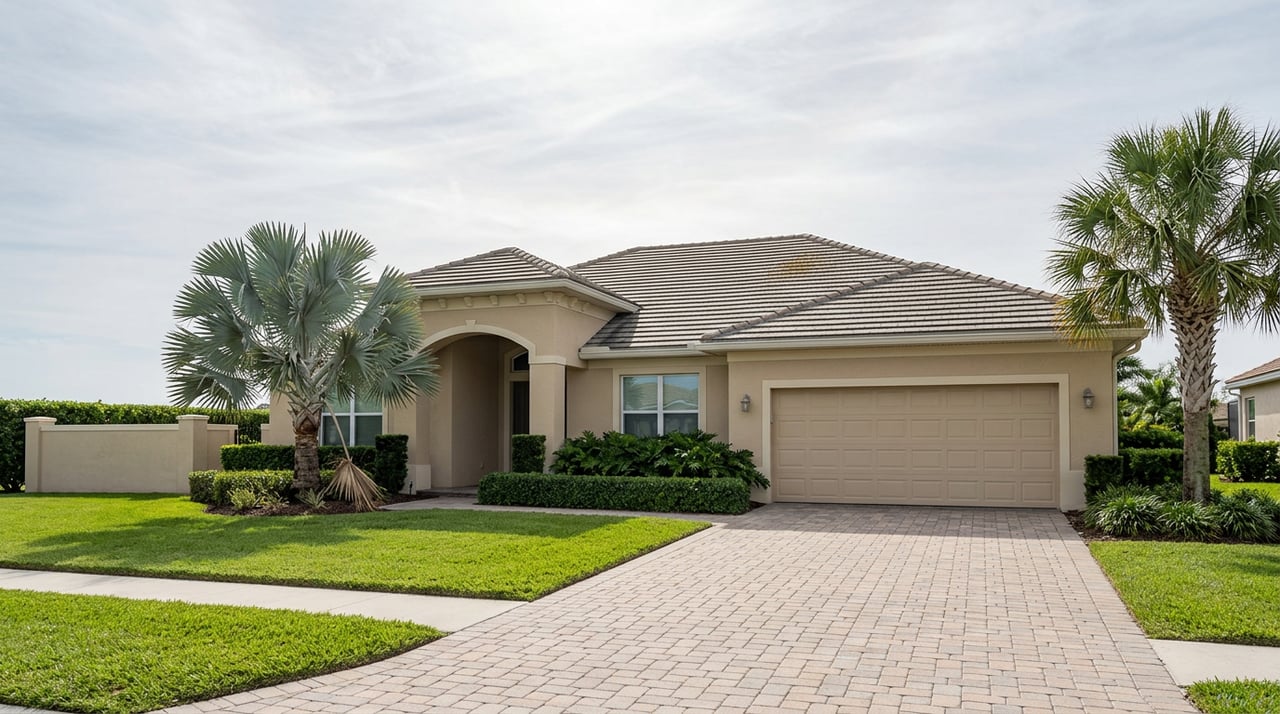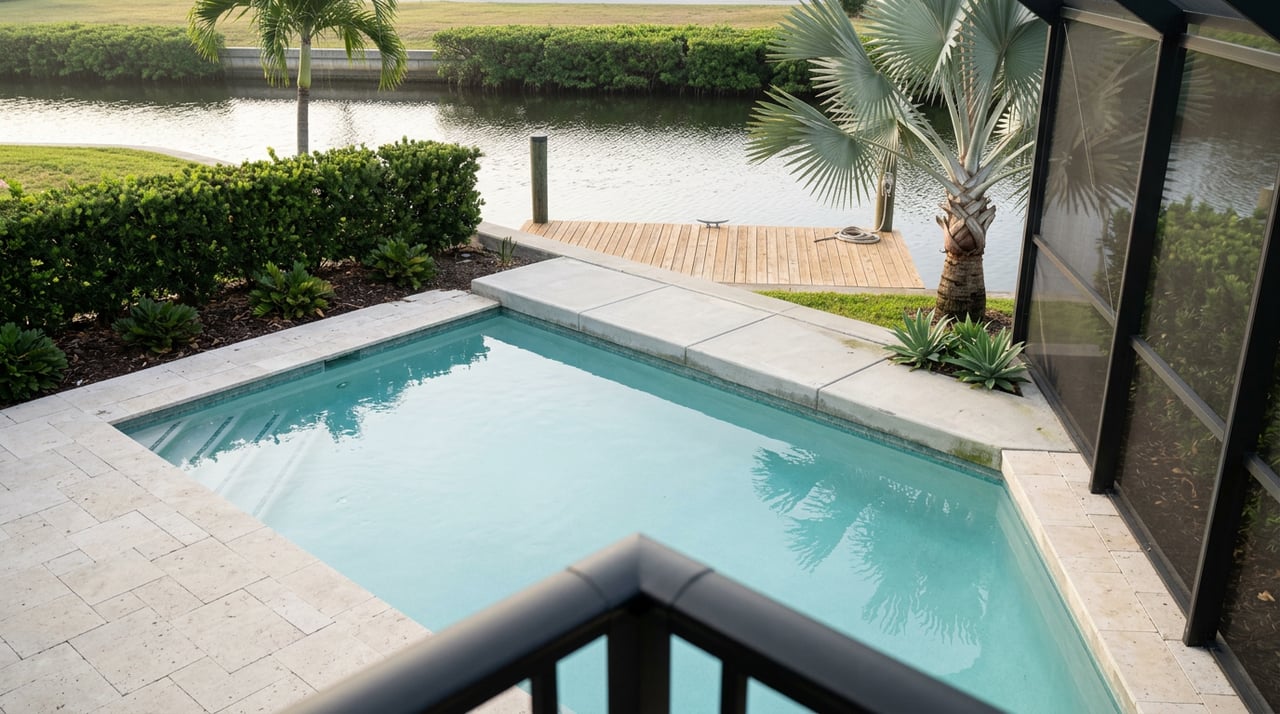
Say you list a canal-front home in Cape Coral this fall. An offer comes in fast, both sides sign, and the buyer's inspection period starts the clock. Somewhere around day nine or ten, a diver goes under the dock, checks the cap and the panels, and finds a section of seawall that has been quietly failing behind the seagrape hedge for years. Now the repair estimate is on the table, the buyer's lender wants to know if it affects the flood policy, and you are negotiating from a number you did not choose and did not have time to plan around.
That scenario is not hypothetical. It is the default sequence on a growing share of Cape Coral canal-front contracts right now, and the reason has less to do with any one seller's bad luck and more to do with a fight the city itself just had over the exact same math, at a much larger scale.
The City Just Argued Over the Same Number
Across several council meetings in May and June of 2026, Cape Coral's city council debated whether to borrow $65 million through special obligation revenue bonds under Ordinance 27-26. The money would cover four projects: improvements at Jaycee Park, irrigation work at Coral Oaks golf course, the North 1 West transportation project, and $23 million to rebuild the seawall at the municipal Yacht Club.
The debate got pointed. Councilmember Rachel Kaduk argued the city had roughly $29.9 million in unassigned general fund cash on hand, plus another $11 million from the sale of the Seven Islands property, and asked why the city needed to borrow at all rather than pay as it went. City staff countered that the projects were already underway and the bond simply refinanced short-term obligations already approved. The council approved the bond issuance at its June 3 meeting, with the Yacht Club seawall portion repaid through the general fund.
The Yacht Club seawall replacement is part of a larger park rebuild that traces back to a 2018 voter-approved parks bond, and the Yacht Club Community Park's own project page shows a multi-year sequence of permitting through the Florida Department of Environmental Protection and the U.S. Army Corps of Engineers before construction crews could touch the seawall, dredge the marina, or move the boat ramp.
None of that is a story about municipal budgeting for its own sake. It is a preview. If the city with more canal miles than any other place on earth, a full engineering staff, and access to bond markets still spent weeks arguing about how to fund one seawall, a private homeowner facing the same underlying problem on a single residential lot should not expect the conversation to be simple either. The scale is different. The mechanics are not.
The Inspection Nobody Mentioned Five Years Ago
Standard due diligence on a Cape Coral canal-front contract in 2026 now runs four inspections deep: the general home inspection, the four-point inspection covering roof, electrical, plumbing, and HVAC, the wind mitigation report, and a marine or seawall survey. That fourth item is relatively new to the standard menu, and it exists because both buyer's and seller's agents have learned the same lesson the city just relearned in public. Seawall condition is not cosmetic. It affects insurability, financing, and resale value, and it is not something a buyer can assess by walking the yard.
A marine survey on a standard residential lot typically takes under two hours and runs $500 to $800. What that inspection actually buys a seller is not a clean report guaranteed. It is control over when the conversation happens. Book it before you list, and you decide whether to repair, price it into the offer, or disclose it with a plan already attached. Skip it, and you leave that decision to whoever the buyer hires, on whatever day falls inside their inspection window, with the least room in the whole transaction to absorb a surprise.
What the Number Actually Looks Like
Seawall replacement pricing varies more than almost any other repair a Cape Coral seller will face, because material choice and site access move the number by a wide margin. Installed pricing in 2026 typically falls between $400 and $900 per linear foot, with vinyl sheet pile at the lower end and concrete panel at the higher end.
| Scope | Typical range |
|---|---|
| Pre-listing marine inspection | $500 to $800 |
| Vinyl sheet pile, per linear foot | $400 to $650 |
| Concrete panel, per linear foot | $650 to $900 |
| Full replacement, 100 foot lot | Roughly $40,000 to $90,000 |
That final range is wide enough to change a negotiation entirely, which is the point. A seller who gets a written estimate before listing walks into a buyer's counteroffer with a number they chose. A seller who waits gets handed a number, usually at the exact moment they have the least leverage to question it.
The Disclosure Line Florida Draws Oddly
Seawall disclosure falls under Florida's older common-law standard from Johnson v. Davis, which requires sellers to disclose known material facts that affect value and are not obvious to a buyer on a routine walk-through. A wall that is visibly bowed or cracked clearly qualifies. One that looks fine from the lanai but has not been inspected in over a decade sits in a gray zone that plenty of sellers convince themselves they can leave alone.
The honest framing is that the choice was never disclose or don't disclose. It is disclose on your own terms, with an inspection report and a repair plan already priced, or let a buyer's inspector introduce the same facts during the inspection window.
One More Line Item That Surprises Relocating Sellers
If you are selling in Cape Coral after buying or selling in a different Florida county, one convention is easy to miss. In Lee County, sellers customarily pay for the owner's title insurance policy. That differs from Collier County to the south, where Naples buyers typically cover that cost. It is a small detail on a closing statement, but it is the kind of thing that catches out-of-state and relocating sellers off guard if nobody mentions it early.
The Sequence That Keeps This On Your Terms
For anyone planning to list a canal-front home in Cape Coral this year, the order matters more than any single number:
- Book a marine inspection before you list, not after an offer arrives.
- Get a written repair estimate if the survey flags anything, so you are negotiating from a price you chose.
- Pull a current homeowner's and flood insurance quote, since carriers pull claims history as part of underwriting regardless of what the disclosure form says.
- Decide how you want to present any known issue, with documentation in hand, rather than reacting to a buyer's report on their timeline.
A Few Quick Questions
Do I have to fix a failing seawall before I can sell? No. Buyers and sellers can negotiate a credit, a price adjustment, or a repair commitment instead of requiring the work up front. What matters is that the condition is known and priced before it becomes a late-stage surprise.
How long does seawall permitting take if I do need repairs? The city's own Yacht Club project needed federal and state permitting that stretched across multiple years before construction could begin. A private residential repair moves faster, but it is still worth building in real time for engineering review and permit approval rather than assuming work can start the week you get a quote.
Cape Coral's canals are the reason most buyers want to be here in the first place. The seawall holding that water back is not a footnote to the sale. It is part of what you are selling, and the sellers who treat it that way from the start are the ones who keep the number, and the timeline, in their own hands.
If you are weighing when to list a canal-front home in Cape Coral, or you want a straight answer about what a marine inspection might turn up before a buyer's does, Danene Bazon Meyer has spent two decades walking Southwest Florida sellers through exactly this kind of transaction. Let's Connect.
This article is general information, not legal, tax or financial advice. Consult a qualified professional about your situation.