Are you trying to decide what kind of rental property makes the most sense in Port Charlotte? That choice can shape everything from your day-to-day workload to your vacancy risk, maintenance costs, and long-term flexibility. If you want to invest with fewer surprises, it helps to match the property type to the local market, your lease strategy, and how hands-on you want to be. Let’s dive in.
Why Port Charlotte feels different
Port Charlotte has a mostly residential, long-term occupancy feel. According to U.S. Census data, the community had a 2020 population of 60,625, with 33.1% of residents age 65 or older, 83.2% of housing units owner-occupied, and a median gross rent of $1,553.
That matters because rental demand here may not look the same as in a dense, apartment-heavy market. In Port Charlotte, practical factors like privacy, upkeep, storm planning, and neighborhood fit can matter just as much as monthly rent.
Start with your rental strategy
Before you compare homes, condos, or multifamily properties, get clear on how you want the property to perform. The best rental type for you depends on whether you want simplicity, multiple income streams, or lower exterior maintenance.
A few questions can help narrow the field:
- Do you want one tenant and fewer moving parts?
- Are you comfortable with more maintenance coordination?
- Do you want to hold the property for long-term leasing?
- Are you considering seasonal or shorter rentals?
- Will you manage the property yourself or hire help?
In Port Charlotte, lease length is especially important because shorter rentals can trigger additional taxes and licensing requirements.
Single-family homes offer flexibility
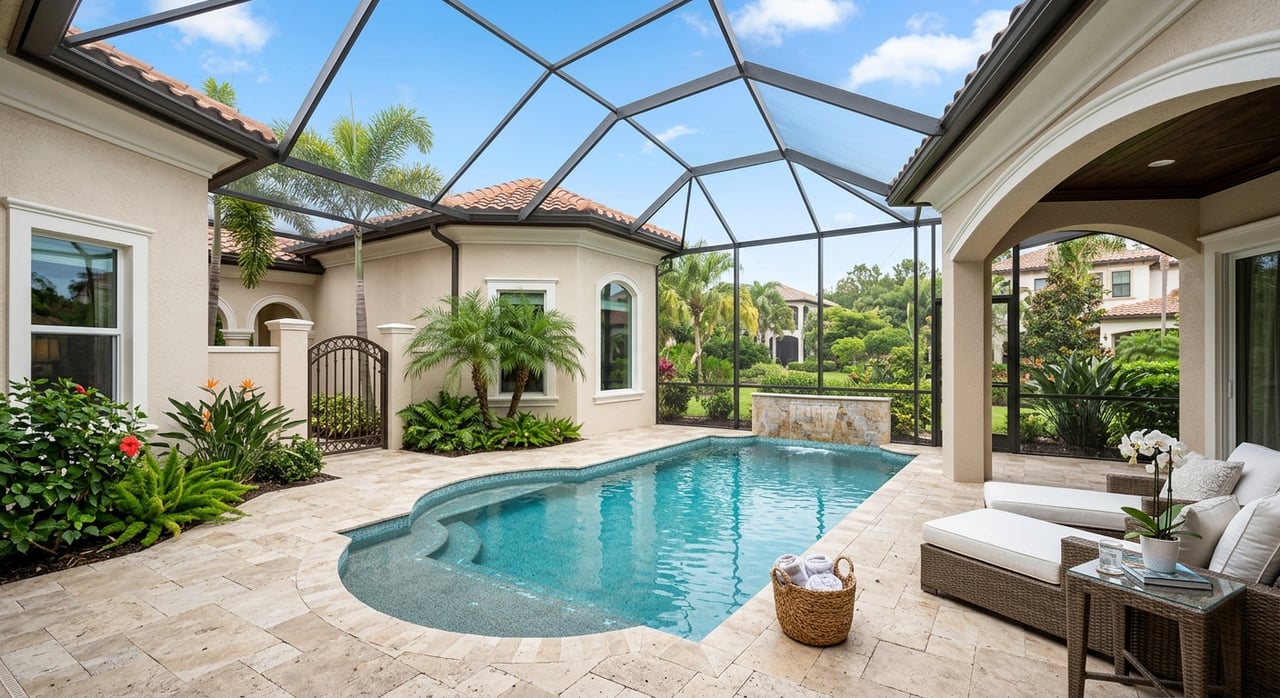
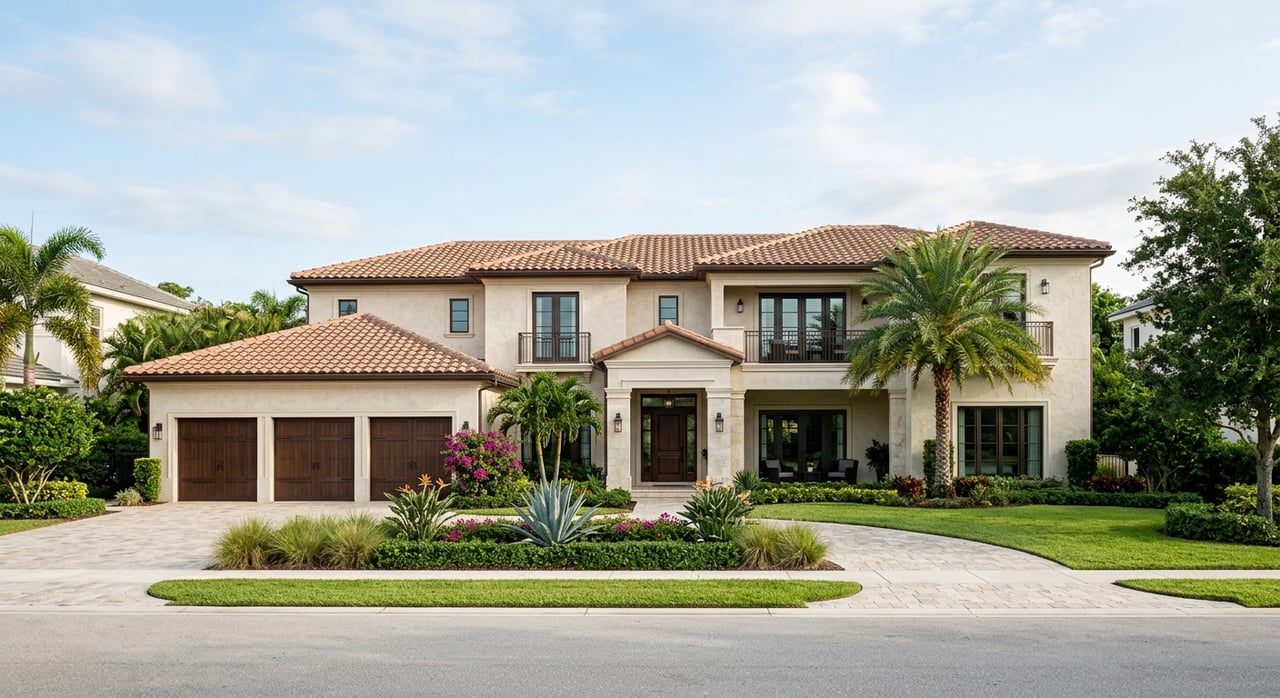
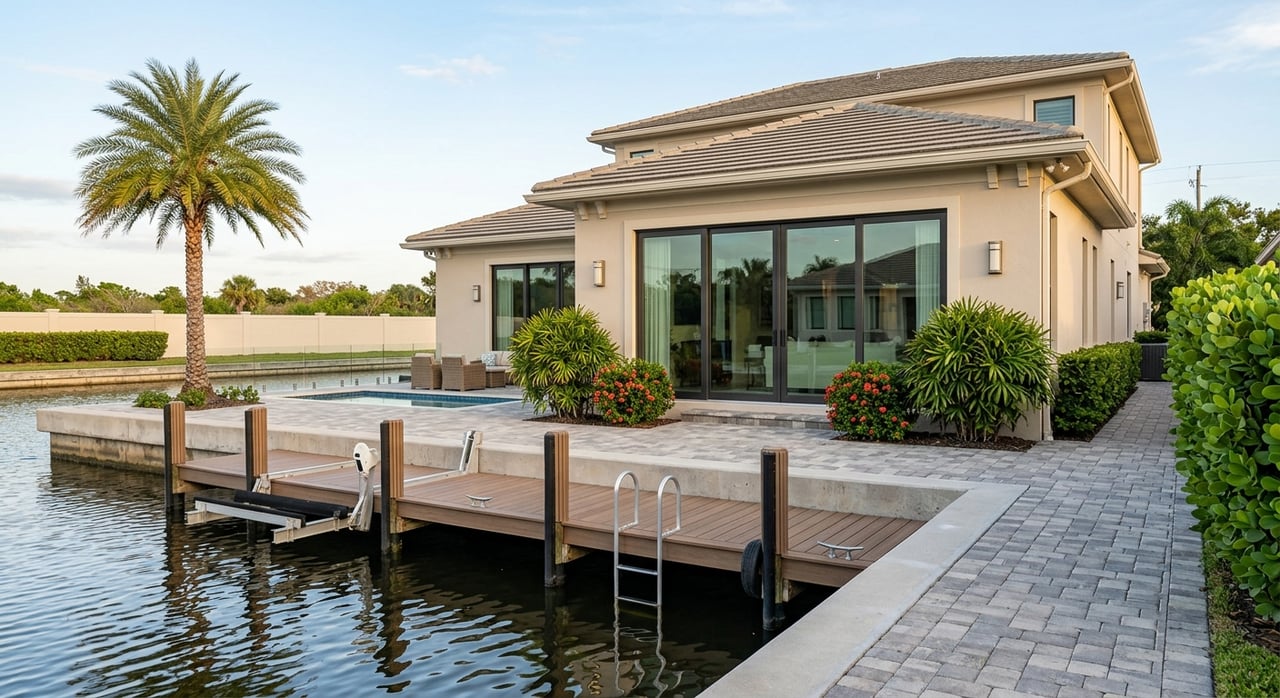
For many investors, a single-family home is the easiest place to start. You have one tenant, one main structure, and fewer shared systems to manage than you would in a multifamily building.
Florida law also gives landlords of single-family homes and duplexes more room to define certain routine responsibilities in writing. Under Florida Statutes section 83.51, duties for these property types may be altered in the lease, which can give you more control over how maintenance expectations are assigned.
That flexibility can be appealing if you are buying from out of state or want a cleaner operating model. In a market like Port Charlotte, where owner occupancy is high, detached homes may also line up well with renters looking for privacy, parking, yard space, and a neighborhood setting.
What to watch with single-family rentals
A simpler layout does not mean no responsibility. As the owner, you still need to think through major systems and storm readiness.
Florida law requires landlords to keep the property code-compliant and maintain key structural components such as roofs, windows, doors, floors, porches, exterior walls, foundations, and plumbing. Charlotte County also notes that the area has low elevation and is surrounded by water, which makes flood planning and hurricane preparation an important part of ownership.
If the property is in a Special Flood Hazard Area and has a federally backed mortgage, flood insurance is required. That is why flood zone verification should be part of your decision before you make an offer.
Small multifamily adds income streams
If your goal is to spread risk across more than one tenant, a small multifamily property may be worth a closer look. Having multiple units on one parcel can help reduce the impact of a single vacancy.
That income diversification is the biggest draw. For some investors, a duplex or small multifamily building offers a stronger balance between cash flow potential and manageable scale.
Why multifamily usually needs more oversight
The tradeoff is operational detail. Under Florida Statutes section 83.51, for dwelling units other than a single-family home or duplex, the landlord generally must make reasonable provisions for extermination, locks and keys, clean and safe common areas, garbage removal, and functioning heat, running water, and hot water, unless the lease provides otherwise where applicable.
In plain terms, shared spaces and shared systems create more touchpoints. That usually means more coordination, more turnover-related tasks, and more day-to-day involvement than you would have with a detached home.
In a place like Port Charlotte, where the housing mix leans heavily owner-occupied, small multifamily can still work well for investors who want steady local renters and are comfortable with a more active management role. If you prefer a lower-touch ownership experience, this property type may feel less streamlined.
Condos and townhomes can reduce exterior upkeep
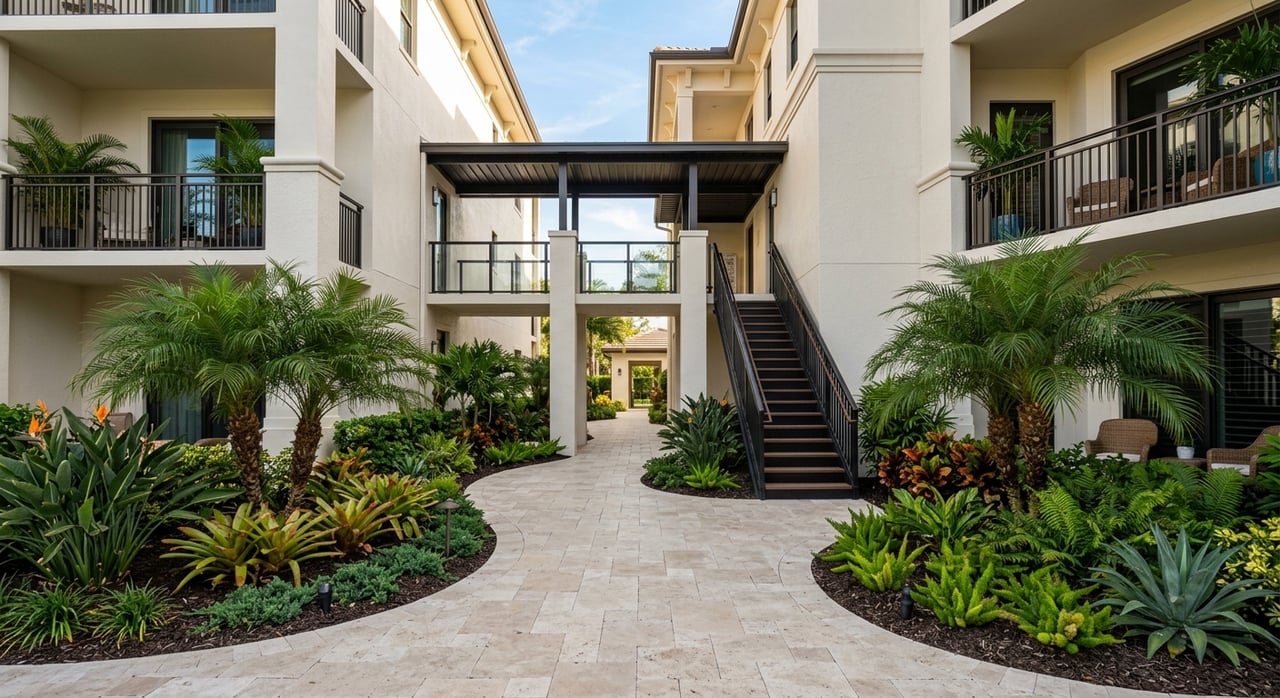
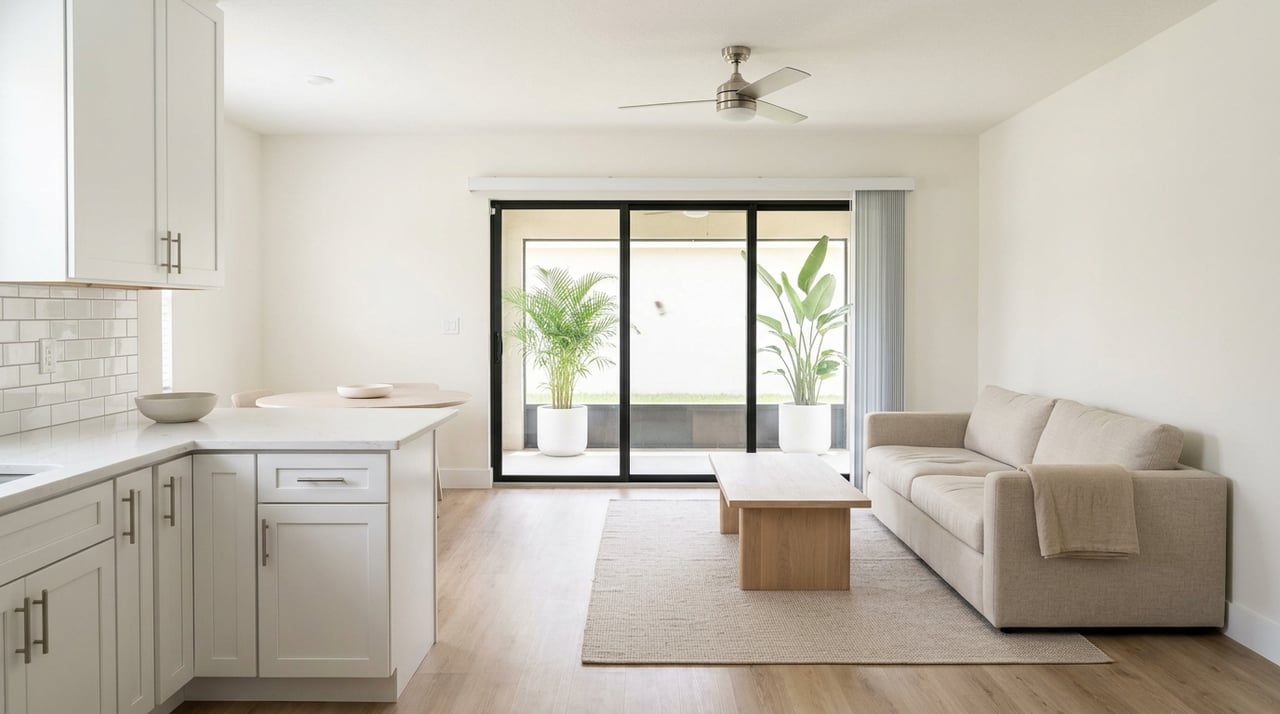
If low exterior maintenance is your priority, a condo or an association-governed townhome may be the strongest fit. In many of these communities, the association handles common-element maintenance, repair, and replacement, except where the governing documents assign certain limited common element duties to the owner.
Florida condominium law also allows common expenses to include things like maintenance, repair, replacement, insurance, road maintenance, communications, and security services for common elements and association property. For an owner who wants a more lock-and-leave setup, that shared responsibility can be a major advantage.
This can be especially useful for remote owners, seasonal owners, or investors who do not want to manage exterior upkeep on their own. If the community includes amenities such as a pool or clubhouse, those shared features may also add appeal for tenants because leased condo tenants generally receive use rights in the common elements and association property that are available to owners.
The downside of association dependence
The convenience of condo or townhome ownership often comes with less control. Rental rules, fees, approval processes, and building policies can affect how you use the property and how often you can lease it.
Florida law says that an amendment prohibiting rentals, changing rental term duration, or limiting how many times a unit may be rented applies only to owners who consent and to buyers who take title after the amendment becomes effective. That makes it essential to review the declaration, bylaws, and amendments carefully before you buy.
If you want maximum freedom over lease length, tenant screening rules, or renovation timing, a condo may not give you the flexibility you want. If your top priority is lower exterior maintenance and easier lock-and-leave ownership, it may be a strong match.
Lease length can change the best property type
In Port Charlotte, your intended lease term should shape your purchase decision from the start. A property that works well for annual leasing may not be the right choice for seasonal or transient use.
Charlotte County charges a 5% tourist development tax on rentals of six months or less. Florida also imposes a 6% transient rentals tax on those same accommodations. Bona fide written leases for continuous residence longer than six months are exempt under state law and county guidance.
Charlotte County also says owners and operators of short-term or vacation rentals must obtain state sales tax registration, a DBPR vacation rental license, a county business tax receipt, and a tourist tax account before operating. That adds a layer of planning and compliance that should not be treated as an afterthought.
If you are deciding between a condo, a single-family home, or a small multifamily property, ask yourself whether the property supports the lease length you actually want to offer. In some cases, association rules or operating requirements can make that answer clear very quickly.
Flood and storm planning matter in every category
No matter which property type you choose, storm exposure belongs in your buying process. Charlotte County says evacuation zones are based on National Hurricane Center data, elevation, and evacuation routes.
The county also warns that the area’s low elevation and water-surrounded geography can make it difficult to shelter in place. For a rental owner, that means flood zones, evacuation planning, insurance considerations, and property readiness all deserve attention before closing.
This is one area where a property that looks simple on paper may become more complex in real life. A condo may reduce some exterior upkeep, while a single-family home may give you more control, but neither removes the need for careful due diligence.
A simple way to narrow your choice
If you want the broadest tenant appeal and the simplest day-to-day ownership model, a single-family home is often the best starting point. It tends to offer privacy, flexibility, and a more straightforward landlord experience.
If you want multiple income streams from one parcel and can handle more operating detail, small multifamily may be a better fit. The extra complexity can be worthwhile if diversification is your top goal.
If you want lower exterior maintenance and a more lock-and-leave setup, condos and many townhomes can be appealing. Just be ready to weigh association fees, rules, and rental restrictions as part of the true cost of ownership.
What to verify before you make an offer
Before you move forward on any Port Charlotte rental property, make sure you confirm the basics that can change the economics of the deal.
Use this checklist as a starting point:
- Verify the flood zone
- Review evacuation zone information
- Confirm the intended lease term
- Check whether taxes or licensing apply to that lease term
- Review association documents, if applicable
- Understand maintenance obligations under the property type
- Estimate storm-prep and insurance-related costs
A clear plan on the front end can save you time, money, and frustration later.
Whether you are buying your first Port Charlotte rental or adding to your Florida portfolio, having local guidance can make the decision much easier. Danene Bazon PA helps buyers and investors navigate Southwest Florida with hands-on support, practical market insight, and experienced guidance for remote and tax-sensitive transactions.
FAQs
What rental property type is often easiest to manage in Port Charlotte?
- Single-family homes are often the simplest to manage because they usually involve one tenant, fewer shared systems, and more lease flexibility for assigning certain routine responsibilities.
What should buyers know about Port Charlotte condos as rentals?
- Port Charlotte condos can offer lower exterior maintenance, but you need to review association documents carefully because fees, rental restrictions, and approval rules can affect how you use the property.
What makes small multifamily rentals different in Port Charlotte?
- Small multifamily properties can provide more than one income stream, but they usually require more oversight because shared spaces and building systems create more landlord responsibilities.
What lease length rules matter for Port Charlotte rental owners?
- In Charlotte County, rentals of six months or less may trigger a 5% tourist development tax, and Florida also imposes a 6% transient rentals tax, while bona fide written leases for continuous residence longer than six months are exempt.
What flood factors matter when buying a Port Charlotte rental property?
- You should verify the flood zone, review evacuation zone information, and account for storm readiness because Charlotte County notes the area’s low elevation and water-surrounded geography can affect risk and planning.
What should investors review before buying a rental in Port Charlotte?
- Investors should verify the flood zone, check association documents if the property is in a managed community, and confirm whether the intended lease term triggers taxes, licensing, or other operating requirements.