Wondering whether now is the right moment to let go of your Fort Myers vacation home? You are not alone. Many second-home owners are weighing market shifts, rising carrying costs, and the question that matters most: does keeping the property still make financial and lifestyle sense? If you are trying to make a smart, clear-eyed decision, this guide will help you look at the numbers, timing, and property-specific factors that can shape your next move. Let’s dive in.
Fort Myers Market Conditions Now
The Fort Myers market looks different than it did during the rapid run-up of the past few years. In May 2026, Redfin reported a median sale price of $347,792 in Fort Myers, down 2.4% year over year. Homes were taking about 74 days to sell, averaging about two offers, with a 95.2% sale-to-list ratio.
That matters if you are thinking about selling a vacation home today. Buyers have more room to negotiate, and nearly half of listings had price drops. In this kind of market, strong pricing and a solid plan matter more than testing an aggressive number.
At the broader Lee County level, the picture is mixed by property type. In May 2026, the Cape Coral-Fort Myers metro area saw a median of $380,000 for single-family homes, up 1.3% year over year, while condo and townhome median prices came in at $300,000, down 3.2%. Year to date, condo and townhome prices were under more pressure than single-family prices.
Start With the Real Question
For most vacation-home owners, the real issue is not just what the home might sell for. It is whether holding the property for another year still works for your budget and goals. A home can be emotionally valuable and still become expensive to keep.
Ask yourself a few simple questions:
- Do you still use the home enough to justify the ongoing costs?
- If you rent it seasonally, is the income still offsetting expenses in a meaningful way?
- Would your equity be more useful elsewhere?
- Are you comfortable carrying the property through another season if the market stays balanced?
If the answer to those questions feels less certain than it used to, selling may deserve a closer look.
Carrying Costs Can Change the Math
A Fort Myers vacation home does not get the same tax advantages as a primary residence. Lee County states that homestead exemption applies when the property is your permanent residence. Second homes and vacation homes do not qualify for that exemption, and they also do not receive the Save Our Homes benefit that limits annual assessment increases to 3%.
That means your property taxes may be a bigger factor than you expected, especially if assessed value has moved up over time. For owners deciding whether to hold or sell, that lack of homestead protection is an important part of the equation.
Insurance is another major cost. The Florida Office of Insurance Regulation reported average Lee County premiums of $3,631 for homeowners policies with wind coverage and $1,477 for condo unit owners policies with wind coverage as of March 31, 2025. Actual premiums vary, of course, but those county averages show why many owners focus on net carrying cost, not just resale value.
If your property has also been used as a short-term rental, there may be tax considerations tied to that income. Florida taxes rentals of six months or less at 6% state sales tax, and Lee County adds a 3% tourist development tax. If rental income once helped the numbers work, it is worth revisiting whether it still does.
Condo Owners Have Extra Resale Steps
If your Fort Myers vacation home is a condo, your decision may involve more than market timing. Florida law requires milestone inspections for many condominium or cooperative buildings that are three habitable stories or more, generally by the year the building reaches 30 years of age and then every 10 years after that. In some salt-water-adjacent areas, the timeline can move up.
Florida also requires structural integrity reserve studies for many associations. For older associations that existed on or before July 1, 2022, important study deadlines were tied to the end of 2025 and, in some cases, the end of 2026. That can affect buyer questions, association budgets, and how easily a unit can be marketed.
For contracts entered after December 31, 2024, Florida law also requires specific disclosure language if a required milestone inspection, turnover inspection report, or structural integrity reserve study has not been completed. Buyers must receive certain documents before signing. In practical terms, condo sales can be more document-heavy and more sensitive to reserve funding, special assessments, and pending repairs.
If you own a single-family vacation home, the process is often simpler. You are more likely to be focused on pricing, property condition, and timing instead of association disclosures and reserve issues.
Pricing Matters More Than Ever
In a slower, more balanced market, pricing too high can cost you time and momentum. Fort Myers data shows homes are taking longer to sell, with many listings reducing price. Buyers are watching value closely, especially when they have more options.
That does not mean you have to underprice your home. It means your asking price should reflect today’s market, not yesterday’s peak. A realistic launch price can help you attract stronger interest early, when a listing is freshest and most likely to stand out.
This is especially important for vacation homes, where buyers may compare your property against other second homes, condos, or lifestyle-driven options across Southwest Florida. If your home is priced without regard to current competition, it may sit longer than expected.
Timing Your Sale in Fort Myers
Seasonality still matters in Southwest Florida. Florida Realtors’ 2026 forecast noted that a strong winter season could bring snowbirds back, and local sales patterns show activity tends to strengthen as the year moves into spring.
In the Cape Coral-Fort Myers metro area, single-family closed sales rose from 937 in January 2026 to 1,606 in April, then 1,479 in May. Condo and townhome sales also moved up from 404 in December 2025 to 579 in May 2026. That broader pattern supports the idea that a late-fall or early-winter launch can help you catch seasonal buyers.
Still, waiting is not always the best move. If you are paying high insurance, taxes, HOA dues, or maintenance costs, the expense of holding may outweigh the possible upside of listing later. In that case, selling now may produce a better net result than carrying the home for another season.
Signs It May Be Time to Sell
Every owner’s situation is different, but a few signals often point toward selling:
- You use the property less often than you used to.
- Annual costs keep rising faster than the value you get from owning it.
- Seasonal rental income no longer meaningfully offsets expenses.
- You would rather free up equity for other investments, travel, or a primary residence.
- Your condo association has pending issues that could make a future sale more complicated.
- You want to sell before another tax, insurance, or maintenance cycle hits.
If several of those feel familiar, it may be time to run the numbers seriously.
A Smart Decision Framework
Before you decide, it helps to compare two paths side by side: sell now or hold one more season. You do not need a perfect forecast. You just need a realistic look at your likely net proceeds today versus the cost of waiting.
Here is a simple way to think about it:
| Decision Factor | Sell Now | Hold Another Season |
|---|---|---|
| Market conditions | More negotiating room for buyers | Possible seasonal demand later |
| Carrying costs | Stop paying future taxes, insurance, dues, and upkeep | Continue paying all ongoing costs |
| Condo complexity | Address disclosures and documents now | Risk added uncertainty if association issues grow |
| Equity access | Unlock funds sooner | Keep funds tied up longer |
| Lifestyle value | Give up future personal use | Keep access for another season |
The right answer depends on your costs, property type, and goals. What matters is making the decision based on net benefit, not guesswork.
How to Prepare Before Listing
If you are leaning toward selling, preparation can make a real difference in a more balanced market. Buyers respond well to homes that feel ready, well-priced, and easy to understand.
A few early steps can help:
- Review your current carrying costs in full.
- Gather property records and recent expense details.
- If it is a condo, collect association documents and confirm the status of inspections, reserves, and any assessments.
- Identify repairs or updates that may improve presentation.
- Build a pricing and launch strategy based on current Fort Myers competition.
This kind of preparation is especially helpful if you are an out-of-state owner. A clear plan reduces surprises and makes the process smoother from start to finish.
What a Local Strategy Can Do
Selling a vacation home in Fort Myers is not just about putting a sign in the yard. It is about understanding how your property fits today’s market, how buyers are comparing options, and what details could affect your sale.
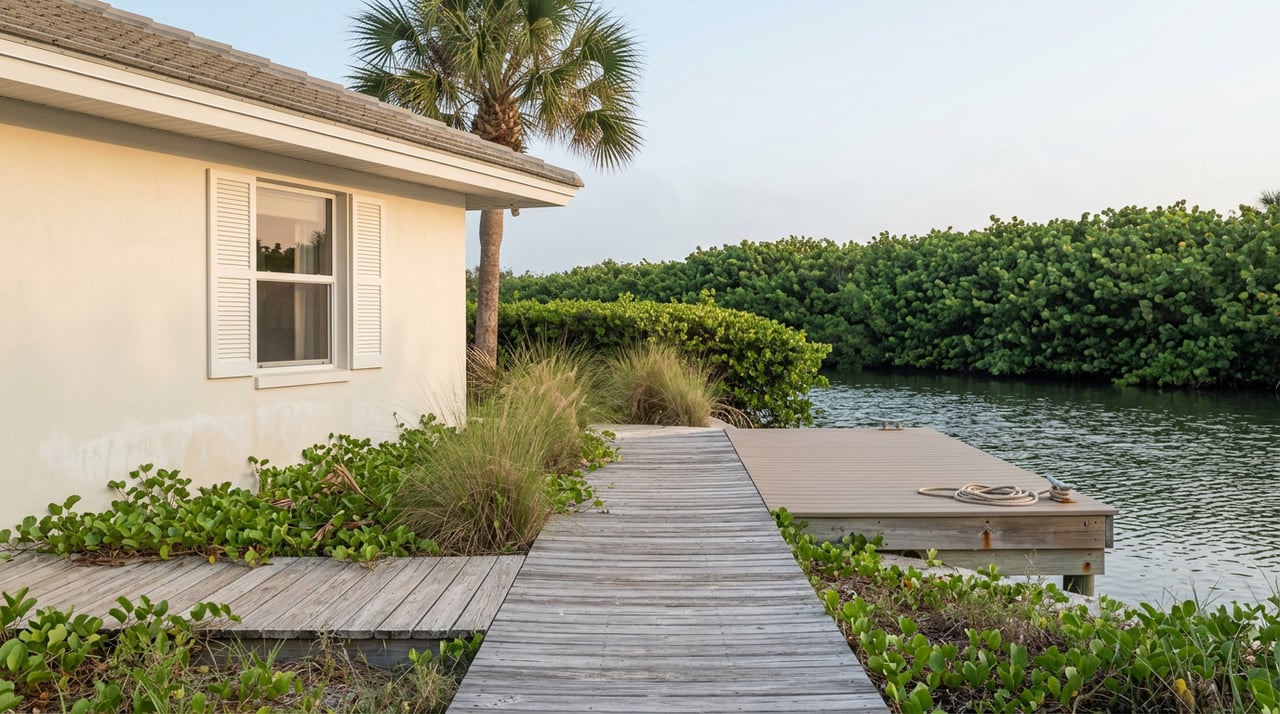
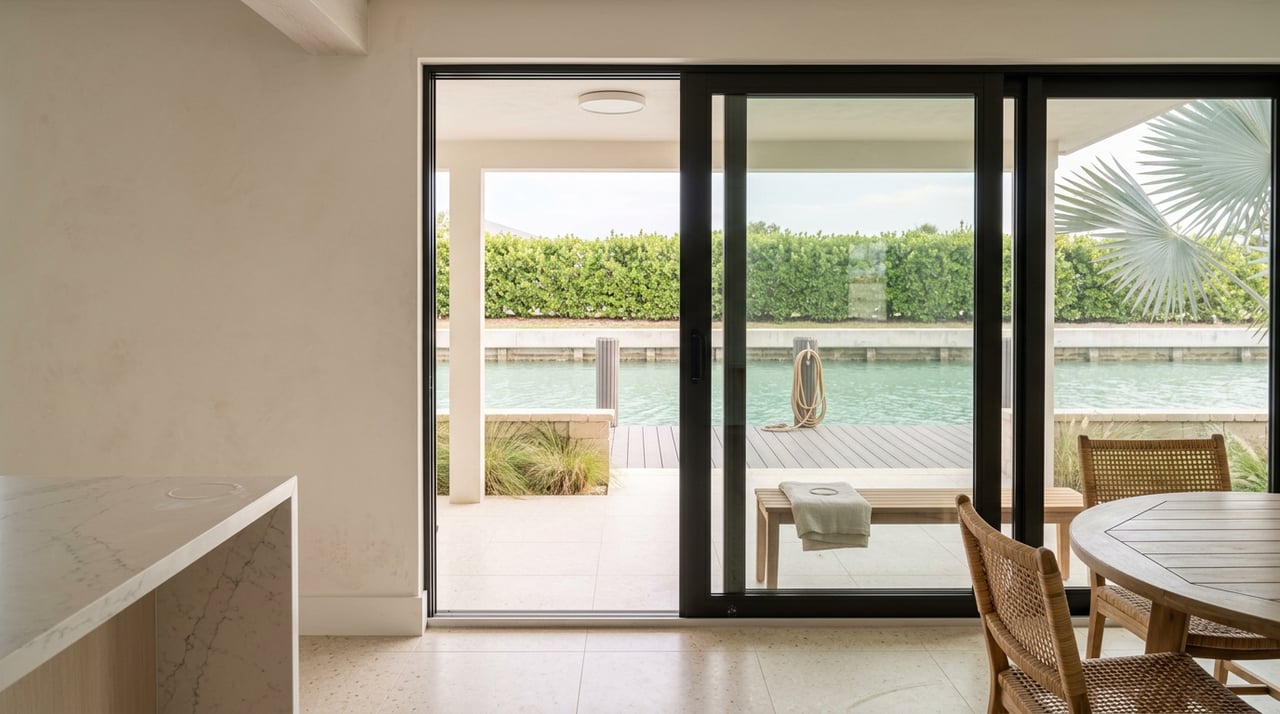
That is even more important if your home is waterfront, condo-based, used seasonally, or owned from out of state. A local strategy can help you weigh timing, estimate likely net proceeds, and position the property so it attracts serious buyers without unnecessary delay.
If you are trying to decide whether this is the right time to sell your Fort Myers vacation home, a local comparison and customized plan can give you a much clearer answer. When you are ready, Danene Bazon PA can help you evaluate your options, prepare your property, and create a smart selling strategy built around your goals.
FAQs
Is now a good time to sell a Fort Myers vacation home?
- It can be, especially if your carrying costs are high or you no longer use the home enough to justify keeping it. The current market is more balanced, so pricing and preparation are especially important.
How is the Fort Myers housing market affecting vacation-home sellers?
- Fort Myers has seen slower sales, more negotiation, and more price reductions than during the peak market. That means sellers should focus on realistic pricing and a strong launch plan.
Should condo owners in Fort Myers be more cautious about selling?
- Yes, condo owners often need to prepare more documents and address questions about inspections, reserves, and possible assessments. That can make advance preparation especially valuable.
Does a Fort Myers second home qualify for homestead exemption?
- No. Lee County states that second homes and vacation homes do not qualify for homestead exemption, which is reserved for permanent residences.
When is the best season to list a Fort Myers vacation home?
- For many owners, late fall or early winter can align well with seasonal buyer demand in Southwest Florida. Still, if holding costs are high, listing sooner may make more financial sense.
What should Fort Myers vacation-home owners review before deciding to sell?
- You should review current market value, insurance, taxes, HOA dues if applicable, maintenance costs, rental income, and how much personal use and lifestyle value the property still gives you.